
Samsung Galaxy Ring 2: How Advanced Sensors and AI Are Redefining Wearable Health
Estimated reading time: 8 minutes
Key Takeaways
- The Samsung Galaxy Ring 2 is the most anticipated upgrade in the wearable health space, featuring advanced smart ring sensors and wearable health AI.
- Finger-based wearables are gaining traction due to better comfort, accuracy, and battery life compared to wrist devices.
- The Ring 2 introduces a “Sleep Recovery Index” and improved SpO2 tracking with ±2% accuracy.
- AI-driven features like Energy Score and proactive alerts turn raw data into actionable wellness insights.
- Seamless integration with Samsung’s ecosystem enhances the overall health tracking experience.
Table of Contents
- Samsung Galaxy Ring 2: How Advanced Sensors and AI Are Redefining Wearable Health
- Key Takeaways
- The Rise of the Smart Ring – Why Finger-Based Wearables Are Taking Over
- Next-Level Sleep Monitoring – How the Samsung Galaxy Ring 2 Tracks Your Rest
- The Power Behind the Sensors – Smart Ring Sensors in the Galaxy Ring 2
- Wearable Health AI – Turning Raw Data into Actionable Insights
- Real-World Benefits of a Health Tracking Ring
- How the Samsung Galaxy Ring 2 Fits Into Your Wellness Routine
- Frequently Asked Questions
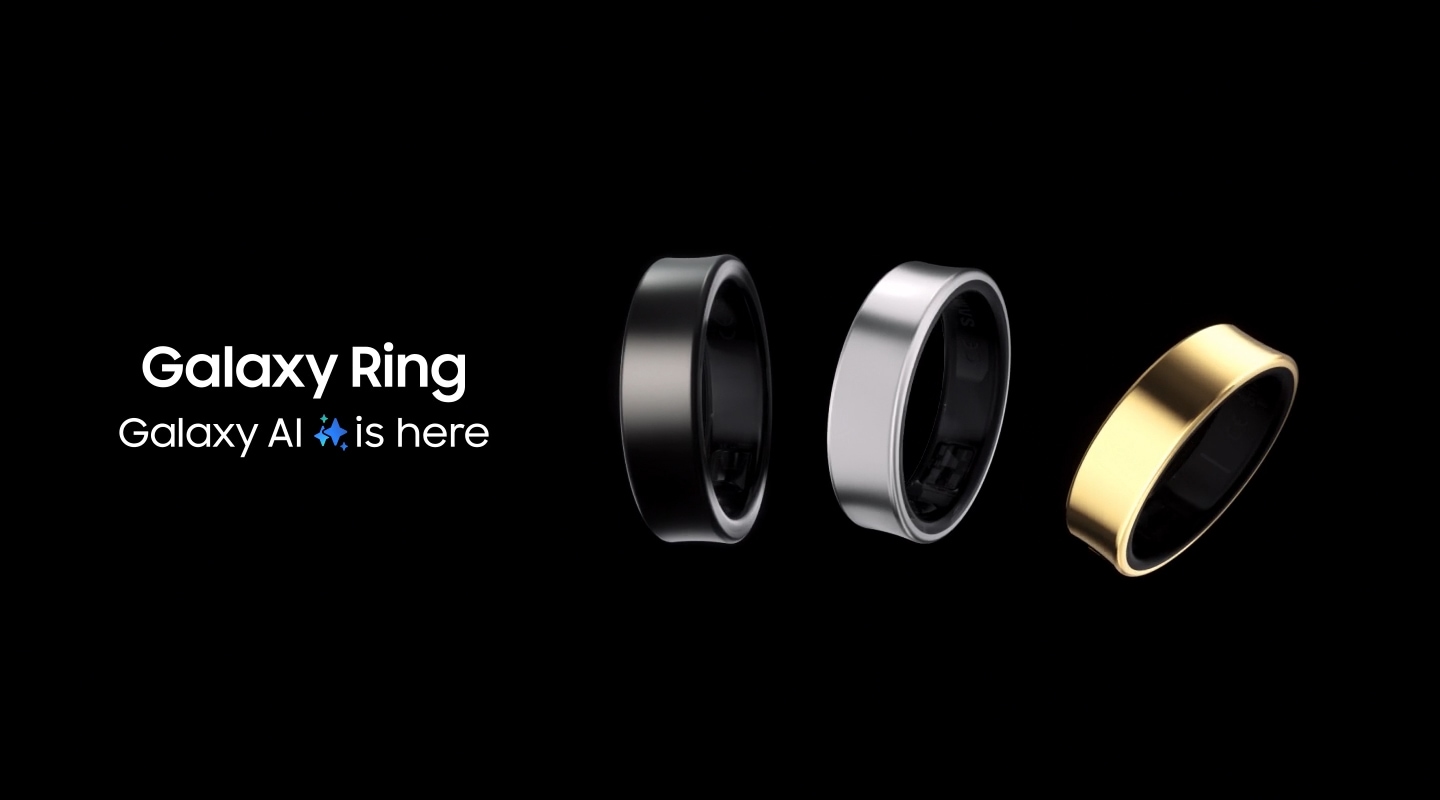
The Samsung Galaxy Ring 2 is the most anticipated upgrade in the wearable health space, building on the success of the 2024 original. This health tracking ring uses cutting-edge smart ring sensors and wearable health AI to deliver personalized wellness insights that were once exclusive to clinical settings. According to recent market analysis from IDC, the smart ring market grew by 34% in 2024, signaling a massive shift toward finger-based form factors. For more context on this expanding market, you can read about The Brilliant Future of Smart Rings 2025. You can also find details on the original model in our Samsung Galaxy Ring guide. For broader wearable trends, see Latest Innovations in Wearable Tech. To explore more fitness-focused wearables, check out 10 Game-Changing Fitness Wearables.
The Rise of the Smart Ring – Why Finger-Based Wearables Are Taking Over
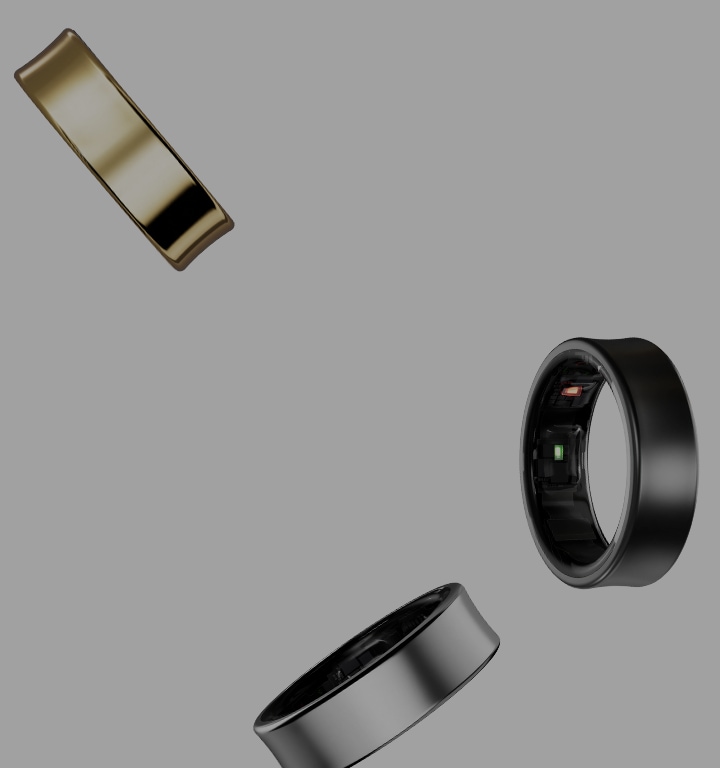
Why is the smart ring replacing the smartwatch for 24/7 health data? The answer lies in user demand for minimal, unobtrusive devices that can monitor continuously without discomfort. A smart ring offers distinct advantages: better blood flow proximity for PPG readings, less bulk for sleep comfort, and longer battery life. According to The Verge, the finger form factor allows more accurate PPG readings due to improved blood flow access. The Samsung Galaxy Ring 2 is Samsung’s direct response to this growing demand, with improvements over the original in size, battery, and sensors. The original Galaxy Ring offered up to 7 days of battery life, but the Ring 2 is expected to extend this to 9–10 days, as reported by TechRadar. For in-depth trends, check out The Brilliant Future of Smart Rings 2025. For details on the original release, read Unveiling the Samsung Galaxy Ring. To understand the broader wearable landscape, also see 10 Coolest Wearable Tech Gadgets. For a look at health-focused wearables, read Revolutionize Your Well-being.
Next-Level Sleep Monitoring – How the Samsung Galaxy Ring 2 Tracks Your Rest
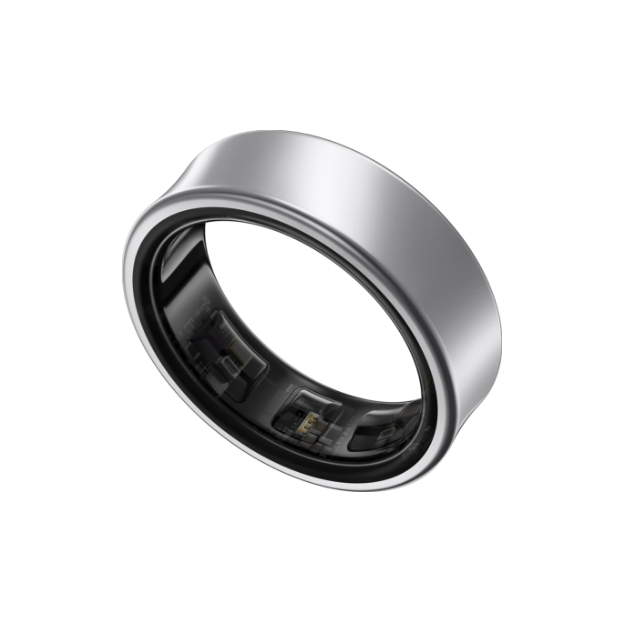
Sleep monitoring ring technology gets a major upgrade with the Samsung Galaxy Ring 2. The ring tracks sleep stages including deep, light, and REM, plus a sleep score and snore detection, features already present in the original. However, the Ring 2 introduces upgraded algorithms with machine learning models trained on clinical sleep studies, achieving overnight SpO2 tracking with ±2% accuracy, an improvement from ±4% in the first generation. A new “Sleep Recovery Index” combines heart rate variability (HRV), respiration rate, and skin temperature overnight. This data is used to derive a “readiness score,” likely debuting in the Ring 2 based on Samsung’s research published in JMIR mHealth and uHealth. According to a leaked report from Android Authority, these upgrades set a new standard for a sleep monitoring ring. For a broader look at fitness wearables, see 10 Game-Changing Fitness Wearables. For details on the original’s sleep capabilities, refer to the Samsung Galaxy Ring guide.
The Power Behind the Sensors – Smart Ring Sensors in the Galaxy Ring 2
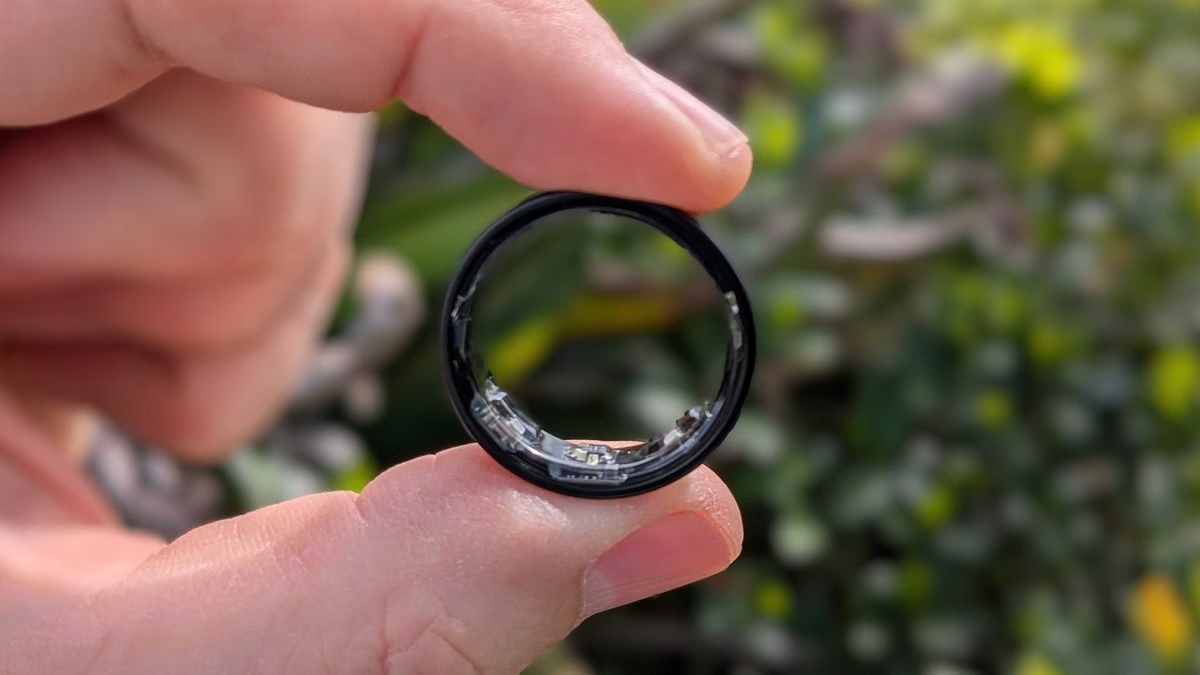
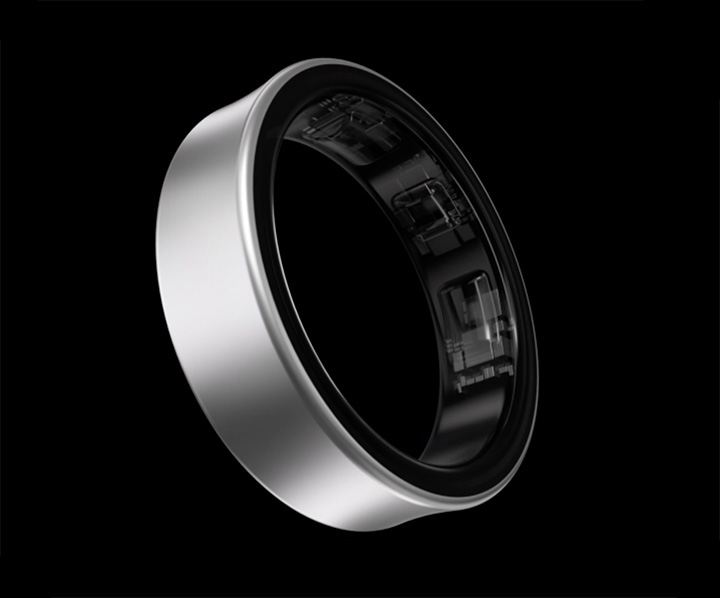
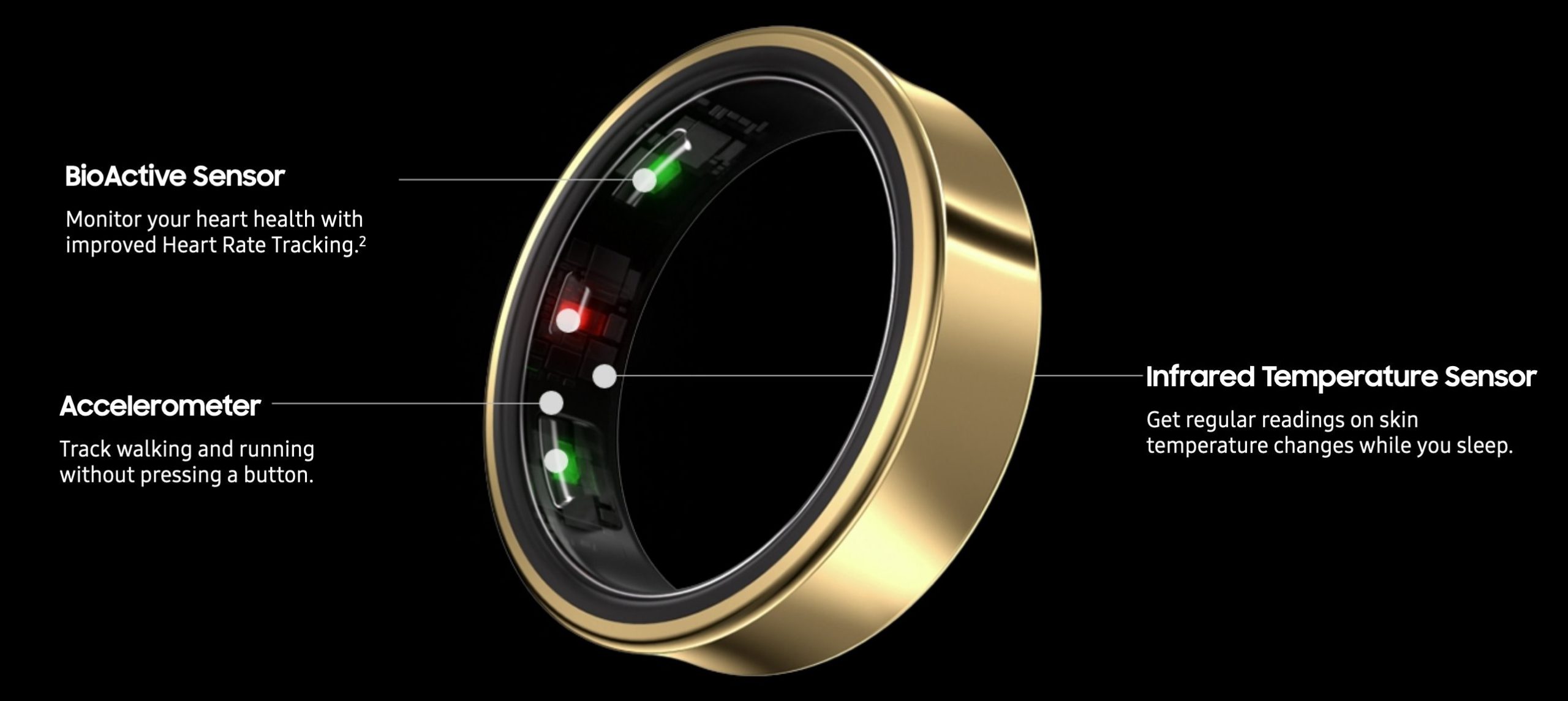
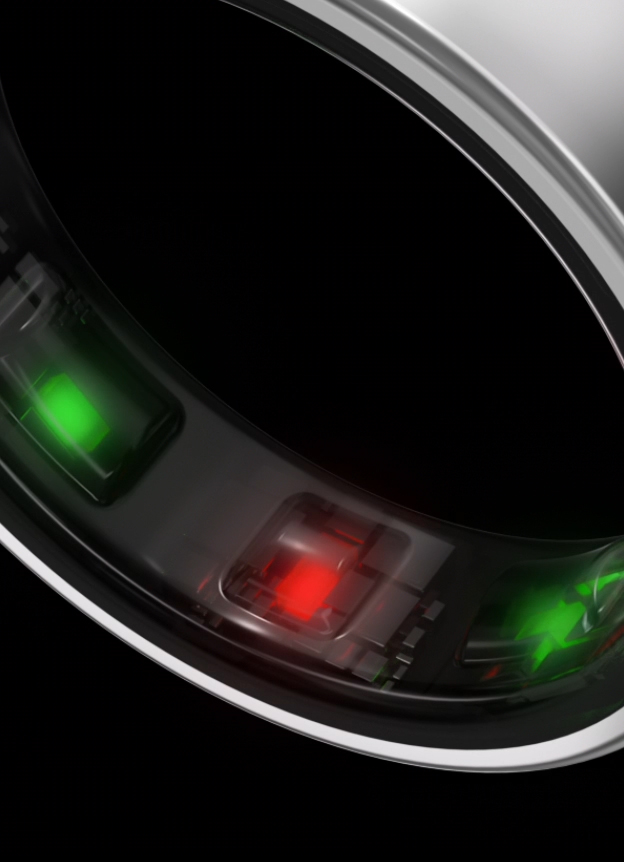
A deep dive into the smart ring sensors that make the Galaxy Ring 2 possible reveals impressive hardware. The Samsung Galaxy Ring 2 features an upgraded PPG sensor with 4 LEDs versus 2 in the first generation, enabling heart rate, blood pressure estimation, and stress detection. A skin temperature sensor, factory-calibrated to ±0.1°C, tracks overnight temperature trends and cycle tracking. A 3-axis accelerometer and gyroscope handle activity detection and sleep movement analysis. A bioimpedance sensor, rumored from a LetsGoDigital patent, could provide body composition analysis. Miniaturization is key: a new system-in-package (SiP) module shrinks by 20% while maintaining battery life, as detailed in a Samsung 2024 tech blog. Sensor fusion, combining data from multiple sources, delivers more precise health tracking ring data. For more on wearable health tech potential, see Revolutionary Wearable Tech: The Breakthrough in Non-Invasive Diabetes Monitoring.
Wearable Health AI – Turning Raw Data into Actionable Insights
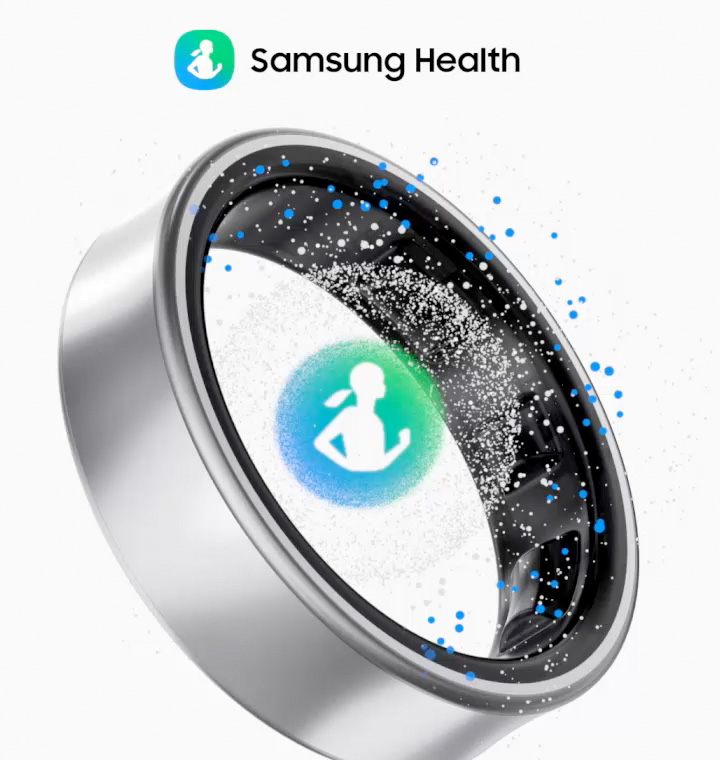
How wearable health AI transforms sensor data into personalized recommendations is at the core of the Galaxy Ring 2. Powered by Samsung Health’s “My Vitality Score” and “Booster Card” features, the AI processes raw sensor data. Specific AI-driven features for the Ring 2 include an Energy Score that combines sleep, activity, and HRV, refined with on-device AI via Galaxy S24/25 chipset integration to reduce cloud dependency. Stress detection uses a PPG-based stress index combined with temperature fluctuation trends. Proactive alerts, such as “Your sleep quality dropped 20% – consider adjusting bedtime,” help users take action. According to CNET, Samsung’s AI advantage lies in ecosystem sync, and the Samsung Newsroom reports that My Vitality Score and Booster Card features are deeply integrated. With over 300 million users on Samsung Health, as stated in a 2024 investor report, the platform is mature. For more on AI in wearables, read Powerful AI-Powered Wearables. For AI in the broader Samsung ecosystem, see Samsung’s Groundbreaking Tech Revolution.
Real-World Benefits of a Health Tracking Ring
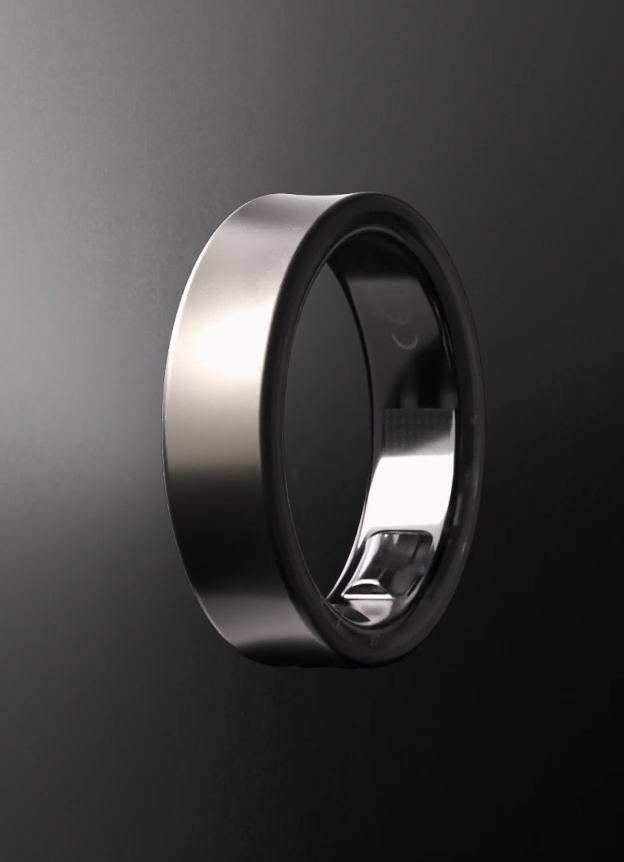
Five daily benefits make the Samsung Galaxy Ring 2 an essential health tracking ring. First, continuous heart rate monitoring during sleep and activity with auto-detection of walking, running, and cycling. Second, long battery life of 9–10 days on a single charge, up from 7 days in the first generation, as confirmed by TechRadar. Third, water resistance with an IP68 rating, carried over from the original. Fourth, enhanced comfort with a thinner profile (2.5mm vs. 2.8mm) and lighter weight. Fifth, compatibility with Samsung Health, though full features like ECG and blood pressure require a Samsung Galaxy phone and pending FDA clearance. PCMag reviews highlight durability and water resistance, while CNET hands-on coverage confirms the thinner profile. For a broader look at fitness wearables, see 10 Game-Changing Fitness Wearables.
How the Samsung Galaxy Ring 2 Fits Into Your Wellness Routine
Integrating the Samsung Galaxy Ring 2 with your Samsung ecosystem provides a unified health view. Pair it with a Galaxy Watch, such as the Watch7, for dual-device data fusion: the watch tracks workouts while the ring tracks sleep and recovery. Data sharing and privacy are handled via Samsung Cloud with end-to-end encryption, and on-device AI means sensitive health data stays local unless the user opts into cloud insights, as detailed in Samsung’s security documentation. The Ring 2 stands out for anyone following wearable health AI trends due to its dedicated sleep focus and advanced sensors within the mature Samsung Health platform, which has over 300 million users. For more on ecosystem integration, see Best Smartwatches for Fitness. For a deep dive on the Galaxy Watch 7’s AI health features, read Revolutionize Your Well-being. Also see Samsung Galaxy Watch 7 AI Health Tracking. For Samsung’s broader innovation in tech, check out Samsung’s Groundbreaking Tech Revolution.
Frequently Asked Questions
- What is the Samsung Galaxy Ring 2? – The Samsung Galaxy Ring 2 is a next-generation smart ring that uses advanced sensors and AI to monitor health metrics like sleep, heart rate, and activity levels, building on the original Galaxy Ring.
- How does the sleep monitoring work on the Galaxy Ring 2? – The ring uses upgraded PPG sensors, a skin temperature sensor, and machine learning algorithms to track sleep stages, overnight SpO2, and provide a Sleep Recovery Index.
- What are the key differences between the Galaxy Ring and Galaxy Ring 2? – The Ring 2 offers improved battery life (9–10 days up from 7), thinner profile (2.5mm vs. 2.8mm), upgraded sensors (4 LEDs vs. 2), and a new Sleep Recovery Index.
- Does the Galaxy Ring 2 work with non-Samsung phones? – It works with Samsung Health on Android phones, but full features like ECG and blood pressure require a Samsung Galaxy device.
- Is the Galaxy Ring 2 waterproof? – Yes, it has an IP68 water resistance rating, meaning it can withstand submersion in water up to 1.5 meters for 30 minutes.
- What sensors are in the Galaxy Ring 2? – It includes a PPG sensor, skin temperature sensor, 3-axis accelerometer, gyroscope, and a rumored bioimpedance sensor for body composition.
- How does wearable health AI help in the Galaxy Ring 2? – AI processes raw sensor data to generate an Energy Score, detect stress patterns, and provide proactive health alerts through Samsung Health features.
- Can the Galaxy Ring 2 detect sleep apnea? – While it tracks SpO2 and sleep patterns, it is not FDA-cleared for sleep apnea diagnosis, though it may provide helpful insights.