
Apple Vision Pro Successor: Lighter, Cheaper, and Smarter
Estimated reading time: 8 minutes
Key Takeaways
- The Apple Vision Pro successor is expected to address the two main pain points of the original: its high launch price of $3,499 and its heavy, front-heavy design.
- Rumors point to a lighter, more comfortable headset using composite materials and optimized weight distribution, aiming for broader daily wear.
- AI capabilities are set to be a core focus, with a newer chipset driving more precise hand tracking and environmental understanding.
- Pricing is speculated to fall between $1,500 and $2,000, making it a more accessible entry into spatial computing.
- Expected release window is late 2025 to early 2026, based on Apple’s typical hardware cadence and supply-chain reports.
Table of Contents
- Apple Vision Pro Successor: Lighter, Cheaper, and Smarter
- Key Takeaways
- Introduction
- The Shift in Design Philosophy (Weight and Comfort)
- The Power Inside (AI and Spatial Computing)
- Feature Breakdown (The 2025 Experience)
- Pricing and Release Window Analysis
- Comparison – Original vs. Successor
- Frequently Asked Questions
Introduction
The original Apple Vision Pro, announced in June 2023 with a price tag of $3,499, was a marvel of engineering but a burden on the wallet and the neck. Reviewers and analysts from Techsponential and Moor Insights & Strategy consistently critiqued its front-heavy design, which limited comfortable usage to shorter sessions. Yet, Apple marketed it not as a VR headset but as a “spatial computer,” hinting at a broader ambition for mixed reality.
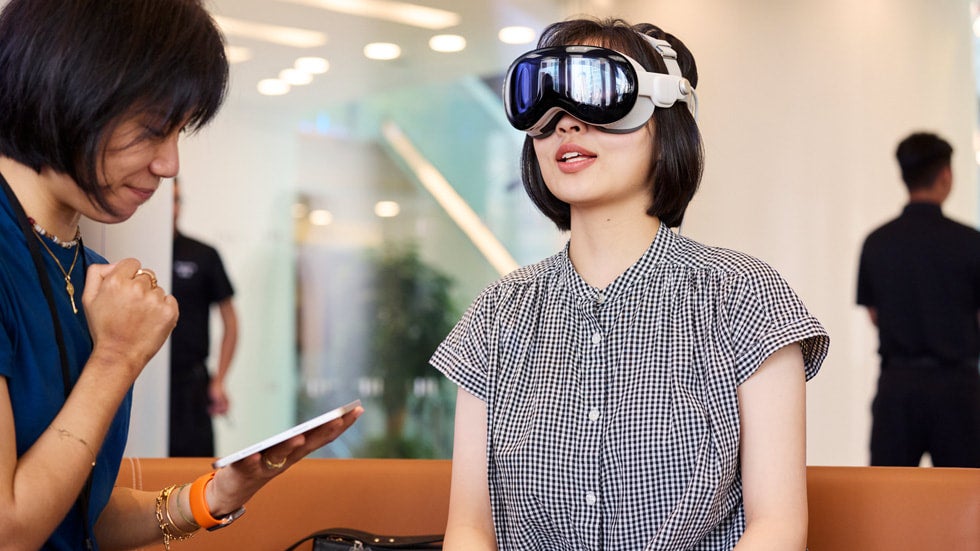
Now, rumors and analyst reports suggest the apple vision pro successor lightweight price combination will be Apple’s main lever to turn spatial computing from a niche demo into a mainstream product. The core promise of this next-generation device is simple: a lighter, cheaper spatial headset aimed at broader adoption. This device is effectively an apple new ar headset 2025 in spirit, even if the naming remains “Vision Pro 2” or simply “Vision.” For more context on the VR headset market this device is entering, check out our guide on the best VR headsets for gaming.
To understand the full picture, we must start with what went wrong with the original. Apple’s official Vision Pro page confirms the $3,499 price point, while Techsponential’s critiques highlight the discomfort that limited its appeal. The successor aims to fix this by prioritizing everyday wear over raw ambition.
The Shift in Design Philosophy (Weight and Comfort)
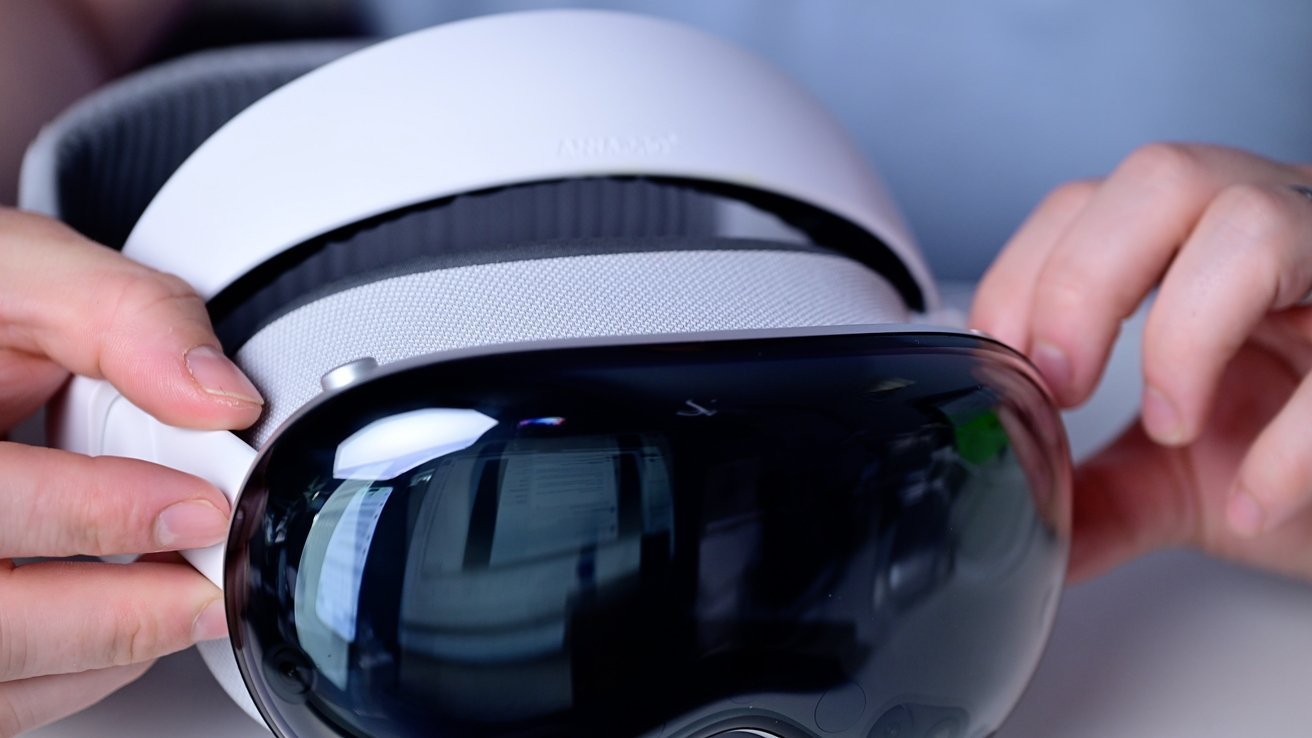
The criticism of the original Vision Pro’s weight and front heaviness was universal. Reviewers and analysts from Moor Insights & Strategy consistently pointed out that the glass front and aluminum frame made for a front-heavy device. Many users preferred shorter sessions, and in-store demos were carefully curated, reinforcing that comfort was a limiting factor. To deliver on its promise as an everyday apple lightweight mixed reality headset, the successor will likely trade some of the original’s premium materials for smarter weight distribution and comfort-first design.
Expected design changes for an apple lightweight mixed reality headset specs include:
- Less glass, more composites: Apple could replace the heavy glass front with polycarbonate or magnesium-aluminum blends, reducing weight without sacrificing durability.
- More aggressive fabric use: Apple already ships both a Solo Knit Band and Dual Loop Band for the Vision Pro, as detailed on Apple’s design page. A successor could optimize for balance by default, using more flexible straps and lighter foam cushioning.
- Thinner displays and optics: Advances in micro-OLED technology could allow for a thinner display stack, directly reducing the front weight that caused discomfort.

The philosophical shift is clear: the Vision Pro was a “pinnacle experience” according to Moor Insights, aspirational and overbuilt. The successor prioritizes long-term wear and everyday use—a requirement for genuine AR and productivity scenarios. This pivot acknowledges that for mass adoption, comfort must come first.
The Power Inside (AI and Spatial Computing)
Apple has always positioned the Vision Pro as a “spatial computer,” not just a headset. This distinction is key to understanding its AI capabilities. The first Vision Pro already leans on computer vision and machine-learning models for accurate hand tracking and passthrough processing. For a deeper look at how the original Vision Pro integrated AI and spatial computing, read our analysis on Revolutionary Apple Vision Pro AI Integration.
The first Vision Pro uses an M2 + R1 chip combo, as confirmed on Apple’s specifications page. A successor could adopt an M-series update (e.g., M3-class or beyond) with better Neural Engine performance, and an updated R-series chip with faster sensor fusion and lower latency. The benefits are concrete and user-centric:
- More precise hand and eye tracking: AI-powered algorithms will make gesture recognition more robust, reducing the occasional misses in the current version.
- Better object and surface recognition: Spatial awareness improves, allowing virtual objects to lock more naturally into your physical space.
- Smoother environmental meshing: The headset will scan rooms faster and with greater accuracy, enhancing AR experiences.
- More efficient video passthrough: Lower latency and better quality reduce motion sickness, making the “see-through” feel more natural.
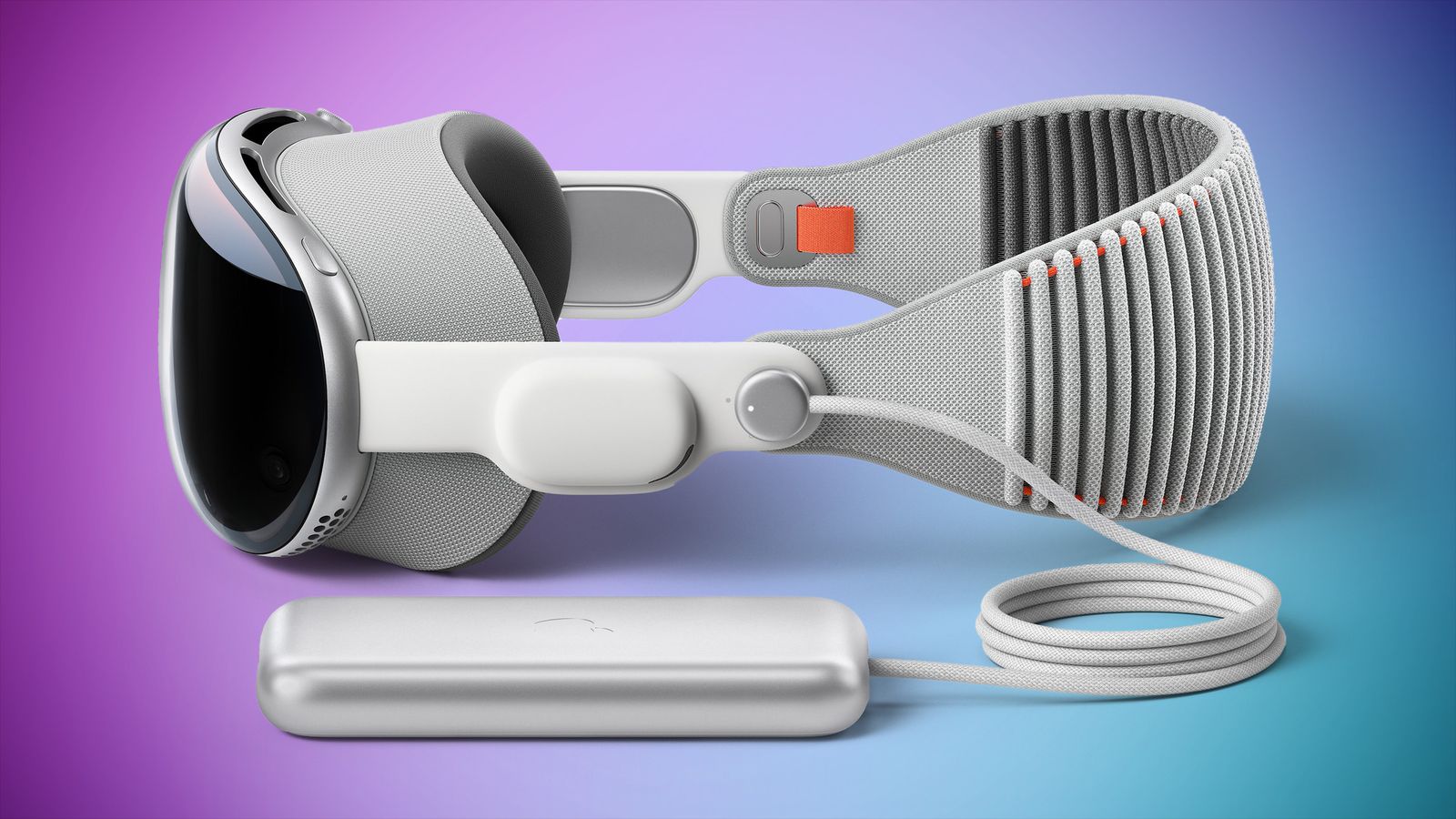
As an apple ai powered spatial computer headset, the Vision Pro successor is expected to lean even more on on-device AI, improving everything from gesture recognition to how virtual objects lock into your physical space. Techsponential’s insight is valuable here: Version 1.0 is incredibly capable but overbuilt for mass consumers. The successor can retain most AI-driven magic and optimize components for cost and efficiency rather than absolute peak performance. Less expensive does not mean less smart; it means more optimized.
For more on the broader AI integration story in Apple’s ecosystem, see our post on The Apple Vision Pro AI Integration.
Feature Breakdown (The 2025 Experience)
To anchor the apple new ar headset 2025 features keyword, we must outline a coherent feature set without over-claiming. Here is a breakdown of what we can reasonably expect.
Display and Optics
The Vision Pro already uses high-resolution micro-OLED displays. Based on common industry trajectories, the successor could offer slightly higher resolution or improved subpixel structures for sharper text, along with better lenses to reduce glare and edge distortion. For a 2025-era apple new ar headset, expect Apple to refine its micro-OLED panels for clearer text and improved comfort, even if it does not dramatically increase resolution on paper.
Passthrough Cameras and Sensors
Critiques of the Vision Pro have noted that its excellent passthrough quality still suffers from an obvious “video” view and heavy processing demands. Possible improvements include higher resolution external cameras for crisper images, better low-light performance for use in darker rooms, and a more efficient sensor pipeline for lower latency. Improved passthrough and depth sensing are key apple new ar headset 2025 features, making virtual objects feel more naturally anchored in your real environment.
Battery and Power
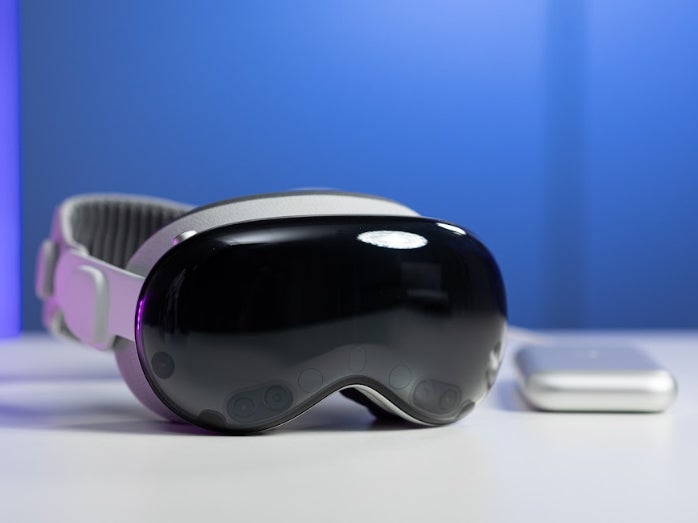
The Vision Pro’s external battery pack offers about 2 hours of general use. A successor might extend life modestly via more efficient chips and displays, or maintain and slightly shrink the external pack for less bulk. Keep claims cautious: better efficiency rather than specific hour counts is the likely outcome.
Input and Controllers
Apple currently emphasizes controller-free hand and eye input. There is persistent speculation about optional controllers for certain games or pro workflows, as covered by MacRumors. While Apple’s core vision remains controller-free interaction, a more mainstream headset could introduce an optional controller for gaming and precision tasks, especially if Apple wants to compete with established VR ecosystems.
Software: visionOS 2.0 / 3.0
Apple has positioned visionOS as a full OS with a dedicated App Store and support for many existing iPad and iPhone apps, as detailed on the official visionOS page. Reasonable expectations for the successor include:
- More robust multitasking: Easier window management and saved spatial workspaces that remember your home setup.
- Better collaboration features: FaceTime with spatial avatars and shared workspaces for remote teams.
- Deeper Mac and iPad integration: Use the headset as an external display and input device for your Mac, turning it into a more credible laptop alternative for some workflows.
By the time this successor ships, a more mature visionOS (2.0 or 3.0) should deliver appreciable gains in multitasking, remote collaboration, and Mac integration.
Pricing and Release Window Analysis
To directly address apple vision pro 2 price and release date, we must distinguish rumor from fact. Multiple analysts and supply-chain reports, as summarized by MacRumors, have floated a more affordable Vision-class headset. The common rumored target is roughly $1,500 to $2,000. This pricing puts it closer to high-end laptops and premium smartphones—still premium, but less prohibitive than $3,499.
How might Apple hit this price?
- Fewer external cameras and sensors: Reducing the extensive sensor array of the Vision Pro would save on component costs.
- Simpler headband and reduced mechanical complexity: A more streamlined design would reduce manufacturing costs.
- Possible removal of the EyeSight external display: This feature, while innovative, adds significant cost and may be dropped for the lower-priced model.
- Leaner storage options: Offering a base model with less storage could start the price at the lower end of the rumored range.

Based on current reporting, the apple vision pro 2 price is widely rumored to land in the $1,500–$2,000 range, driven by strategic cuts to non-essential hardware and more efficient components.
Regarding the release window, public commentary from Bloomberg and supply-chain reports suggest Apple is working on multiple head-mounted products, including follow-ups and glasses. For a direct Vision Pro successor, many analysts see late 2025 to early 2026 as a realistic window, giving Apple time to collect usage data and reduce component costs. While Apple has not announced an apple vision pro 2 release date, supply-chain chatter and Apple’s typical two-to-three-year hardware cadence point to this timeframe.
Positioning against the original: Vision Pro 1 likely remains the “halo” product or is phased out as the successor arrives. Apple may keep a clear tiering: Pro vs. non-Pro or first-gen close-out pricing. The spatial computing landscape is quickly evolving, and for a look at how VR is changing the broader tech world in 2025, see our article on How VR is Changing Gaming and Entertainment in 2025.
Comparison – Original vs. Successor
To visually reinforce the apple vision pro successor lightweight price story and highlight trade-offs, here is a detailed comparison table with estimated or rumored labels.
| Feature | Vision Pro (1st Gen) | Rumored / Expected Successor |
|---|---|---|
| Launch Price | $3,499 (US) | $1,500–$2,000 (rumored apple vision pro 2 price) |
| Weight and Materials | Heavier, glass front, aluminum frame | Lighter, more composites and fabric, comfort-focused design |
| External EyeSight Display | Full color lenticular EyeSight | Possible downgrade or removal to cut cost |
| Cameras and Sensors | Extensive array for passthrough and AR | Fewer sensors, more efficient pipeline |
| Chipset | M2 + R1 | Newer M-series + updated R-series (better AI and efficiency) |
| Battery | External pack ~2 hours typical use | Improved efficiency; similar or slightly better runtime |
| Target User | Developers, enthusiasts, early adopters | Broader prosumers and early mainstream users |
To hit a much more compelling apple vision pro successor lightweight price point, Apple may sacrifice some of the first-gen’s flashiest hardware—especially the EyeSight display and duplicate sensor coverage—while keeping the core spatial computing experience intact. For many buyers, lighter weight and lower cost are upgrades, not compromises. For first-gen details, refer to Apple’s official Vision Pro tech specs, and for successor trade-off rumors, see MacRumors.
Frequently Asked Questions
- What is the expected price of the Apple Vision Pro successor?
- When is the Apple Vision Pro 2 expected to be released?
- Will the successor be lighter than the original?
- What AI improvements can we expect?
- Will the EyeSight display be removed?
What is the expected price of the Apple Vision Pro successor?
Based on analyst reports from MacRumors and supply-chain chatter, the rumored price target is $1,500 to $2,000. This is significantly lower than the original’s $3,499, achieved through strategic hardware cuts like fewer sensors and possible removal of the EyeSight display.

When is the Apple Vision Pro 2 expected to be released?
While Apple has not made an official announcement, credible outlets like Bloomberg and MacRumors suggest a release window of late 2025 to early 2026. This aligns with Apple’s typical two-to-three-year hardware cycle.
Will the successor be lighter than the original?
Yes, the core design philosophy of the successor shifts toward comfort and lightness. Expect more composite materials, less glass, and optimized weight distribution, as analyzed by Moor Insights & Strategy. This is essential for making it an everyday apple lightweight mixed reality headset.
What AI improvements can we expect?
The successor will likely feature a newer M-series chip with a better Neural Engine, alongside an updated R-series chip for sensor fusion. This will improve hand tracking, object recognition, and passthrough latency. For more on the original’s AI capabilities, see our post on The Apple Vision Pro AI Integration.
Will the EyeSight display be removed?
It is possible. The EyeSight external display is a costly component that adds significant manufacturing expense. To achieve a lower price point while maintaining core AR features, Apple may choose to remove or downgrade it, according to MacRumors’ reporting.