
The Ultimate Guide to Keyword Research: Boost Your SEO Traffic in 7 Steps
Estimated reading time: 8 minutes
Key Takeaways
- Keyword research drives 70-80% of SEO traffic growth, making it essential for bloggers and marketers.
- It is the systematic process of identifying and analyzing search terms to align content with user search intent.
- Following best practices for keyword research helps master tools, target long-tail keywords, and evaluate metrics like search volume.
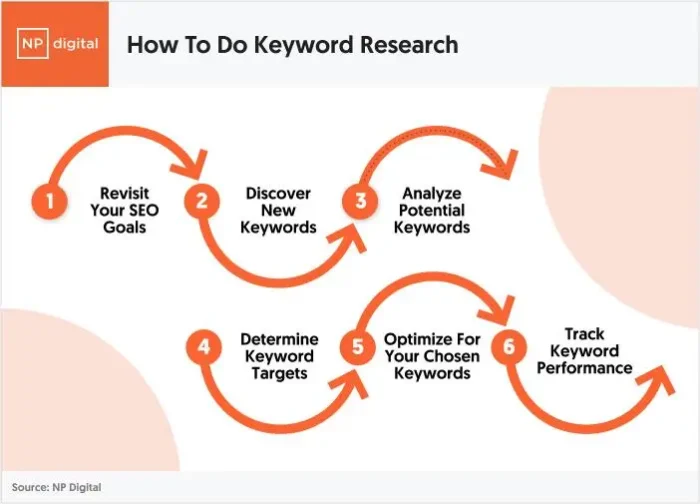
- This 7-step guide covers brainstorming, tool usage, intent analysis, competitor research, prioritization, incorporation, and monitoring.

Table of contents
Introduction
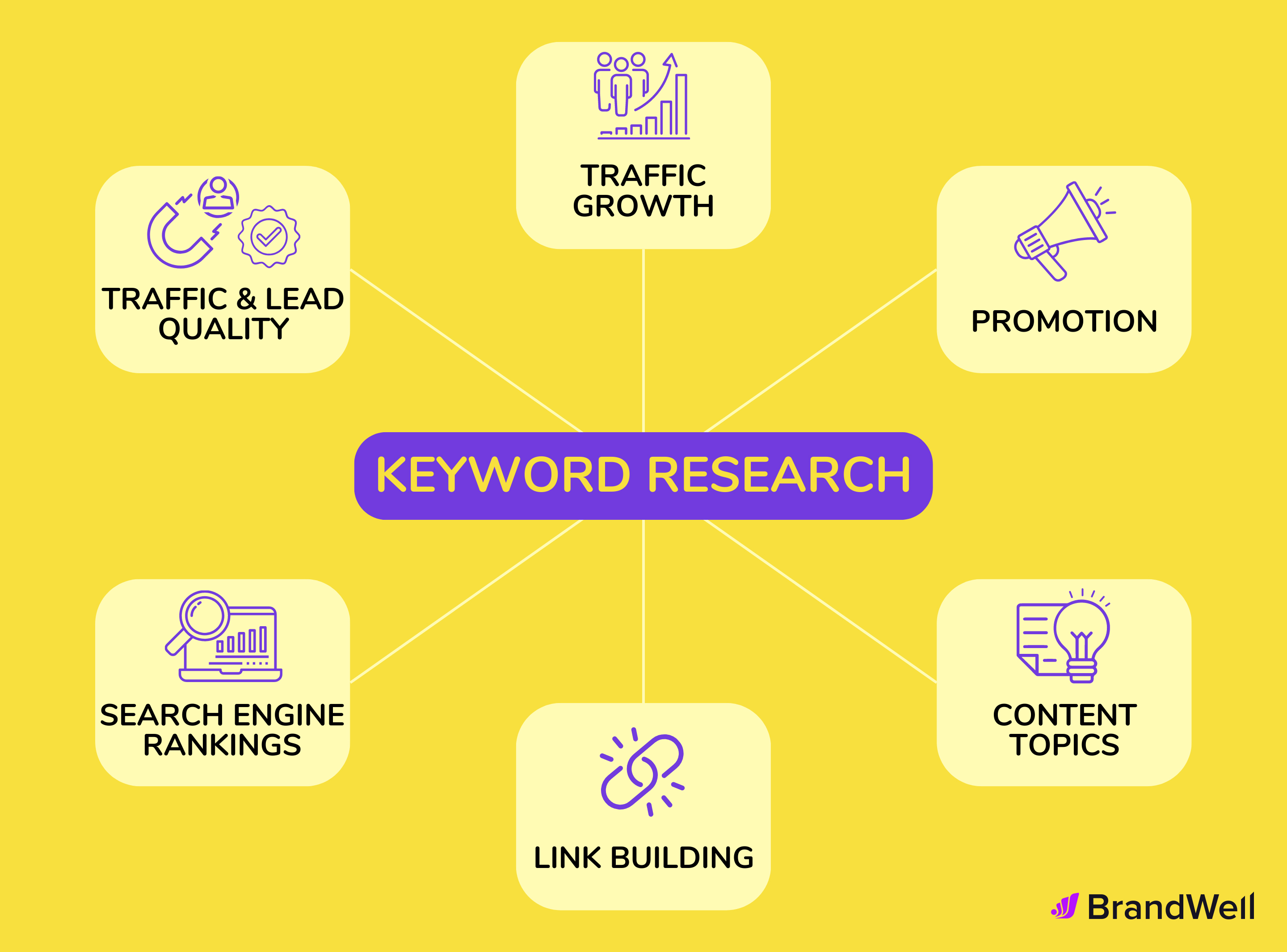
Did you know that effective keyword research drives 70-80% of SEO traffic growth? This statistic underscores its critical role for bloggers, marketers, and SEO beginners seeking to rank higher in search results. For a deep dive into proven methods, see our complete guide on best practices for SEO keyword research.
Keyword research is the systematic process of identifying, analyzing, and selecting the most relevant search terms that users enter into search engines to discover content, products, or services, forming the foundation of SEO keyword research. By aligning your content with user queries through effective keyword research, you can boost organic visibility and traffic significantly.
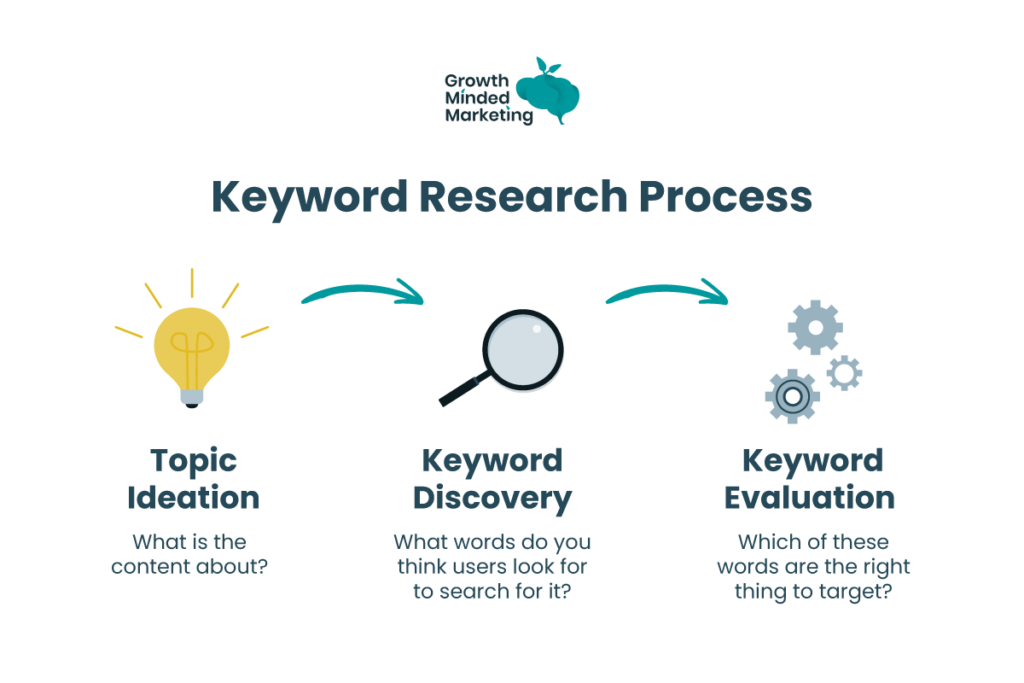
This guide outlines a 7-step process following best practices for keyword research to help you master keyword research tools, understand search intent, prioritize long-tail keywords, evaluate search volume and keyword difficulty, perform competitor keyword analysis, and optimize your content for top rankings. Follow our ultimate step-by-step guide to effective keyword research for a structured approach.
Mastering these steps satisfies informational search intent by providing actionable, step-by-step guidance for content creation and SEO success. Understanding user purpose is key; learn more in our ultimate guide to search intent.
Step 1: Brainstorm Seed Topics and Keywords
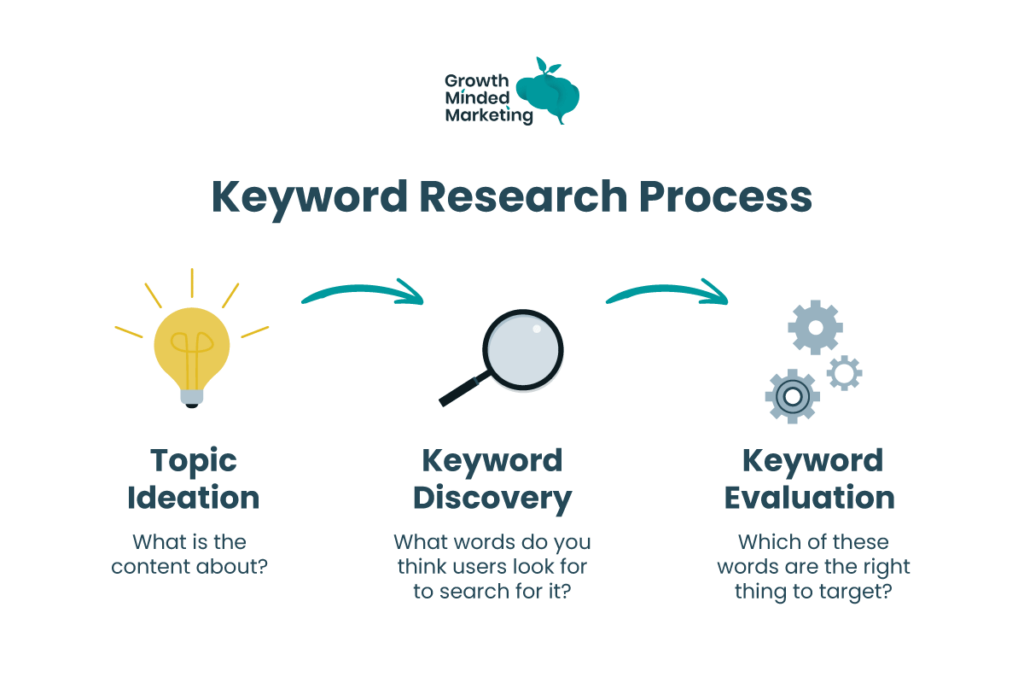
Start by listing 5-10 core topics or products relevant to your business or niche, such as “blogging tips” for a content site, to generate initial ideas. Use free methods like Google autocomplete (type seed keyword and note suggestions), “People Also Ask” sections, and related searches at the bottom of SERPs to expand into specific queries.
Highlight targeting long-tail keywords, defined as specific phrases with 3+ words like “best practices for keyword research for beginners” which have lower competition and higher conversion rates compared to short-tail terms.
For example, for a fitness blog, seed “weight loss” expands to long-tail keywords like “weight loss tips for beginners over 40”.
Here are 5 brainstorming techniques for scannability:
- Mind Mapping: Visually connect related terms around a central topic.
- Customer Feedback: Analyze queries from support tickets or reviews.
- Forum Exploration: Scan industry forums like Reddit for common questions.
- Social Listening: Monitor hashtags and discussions on platforms like Twitter.
- Content Gap Analysis: Review your existing posts to identify missing angles.

Step 2: Leverage Keyword Research Tools
Use keyword research tools to validate and expand brainstormed ideas, starting with free options and progressing to paid for deeper insights. Google Keyword Planner is Google’s free tool (requires Ads account) that provides search volume (monthly searches), forecasts, and competition levels for keywords.
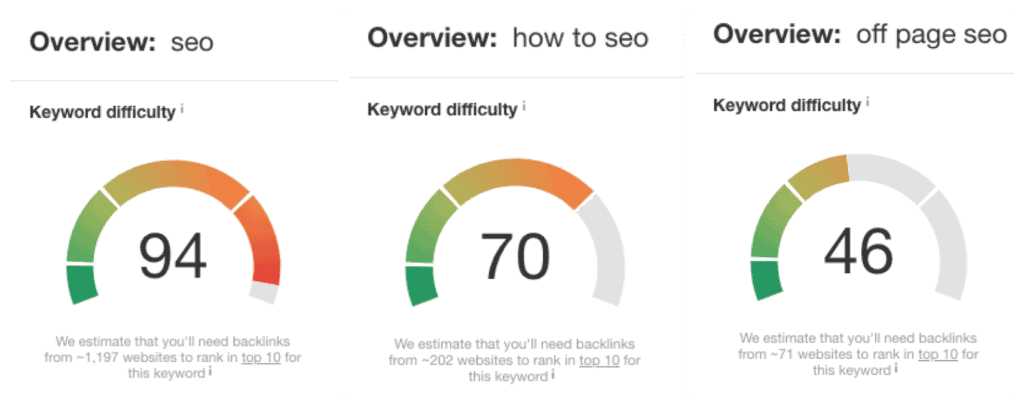
SEMrush is a paid all-in-one platform offering search volume, keyword difficulty (KD score 0-100, where <30 is easy), trend data, and content ideas. Ahrefs is a premium tool excelling in backlink analysis alongside keyword research tools metrics like search volume, keyword difficulty, and click potential.
Key metrics include: Search volume as average monthly searches indicating demand; keyword difficulty as a score estimating ranking effort based on backlinks and authority.
Here’s a comparison table of popular tools:
| Tool | Features | Pricing | Best Use Cases |
|---|---|---|---|
| Google Keyword Planner | Search volume, forecasts, competition data | Free (with Ads account) | Beginners, basic keyword validation |
| SEMrush | Comprehensive SEO suite, keyword difficulty, trends | Paid, from $99/month | Advanced users, competitor analysis |
| Ahrefs | Backlink analysis, keyword metrics, content explorer | Paid, from $99/month | SEO professionals, in-depth research |

Step 3: Analyze Search Intent
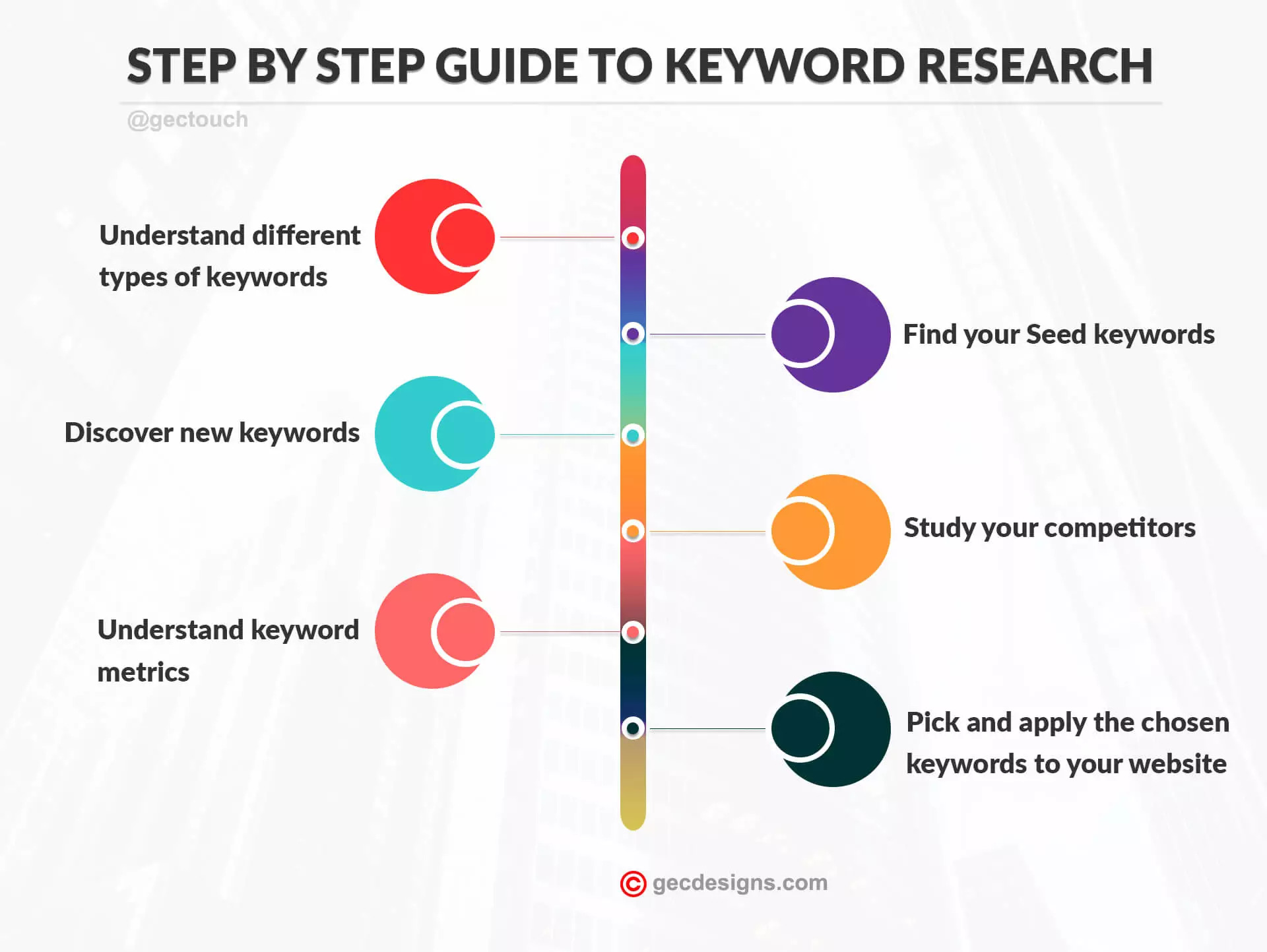
Search intent is the underlying purpose behind a user’s query—informational (learn how-to), commercial (compare options), transactional (buy now), or navigational (find specific site). To classify intent, review the top 10 SERP results—if mostly blog posts or guides, intent is informational; product pages indicate transactional.
Match your content to the intent. For informational search intent like “how to do keyword research,” create step-by-step guides. Include examples like question-based queries for voice search. For instance, “Best keyword research tools” shows commercial intent—so compare tools with a pros-and-cons table.
Understanding search intent is crucial for SEO keyword research because it ensures your content meets user expectations, boosting engagement and rankings.
Step 4: Conduct Competitor Keyword Analysis
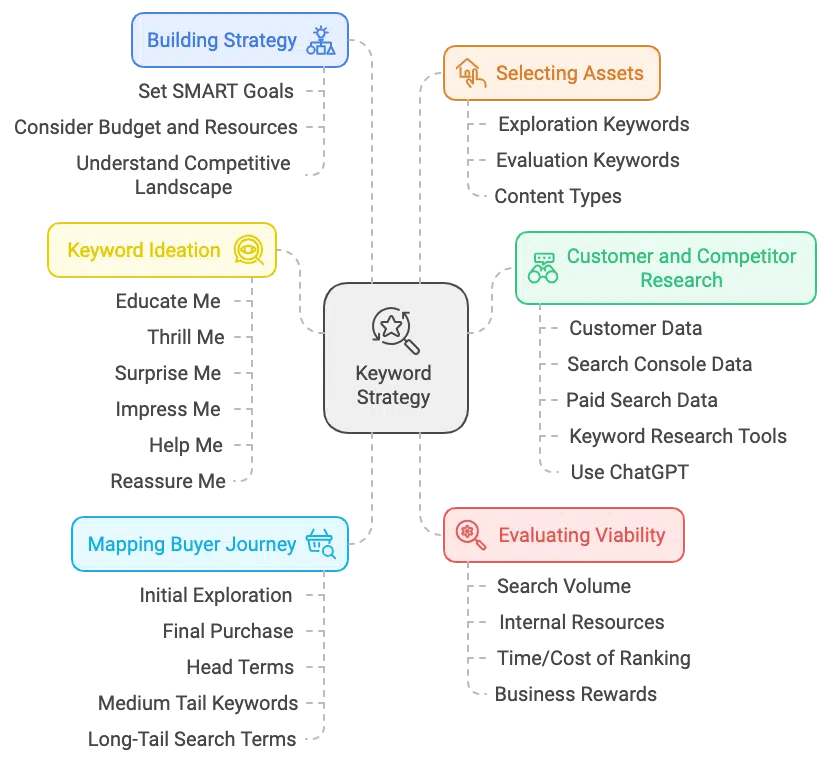
Conduct competitor keyword analysis by searching your target keywords, noting top 10 organic results, their content types, estimated traffic via tools like Ahrefs, and gaps like underserved long-tail keywords. Review content length, freshness, and backlinks; identify opportunities like “add video tutorials if competitors lack them.”
For example, for “keyword research,” note that Ahrefs ranks with in-depth guides—so create better content with more tools and examples.
Follow these numbered steps for SERP analysis:
- Identify Competitors: Search your primary keyword and list the top 10 results.
- Analyze Content: Examine their article structure, depth, and media usage.
- Check Metrics: Use tools to assess their traffic, backlinks, and ranking keywords.
- Find Gaps: Look for missing information or outdated content you can improve.
- Adapt Strategy: Plan your content to outperform them in value and relevance.
Step 5: Prioritize Keywords
Prioritize keywords using a scoring system based on relevance to business (high if converts), search volume (>300 monthly ideal for starters), keyword difficulty (<40 for beginners), and conversion potential (ties to buyer journey). Emphasize long-tail keywords for quick wins: lower keyword difficulty, targeted traffic, and easier ranking.
Create a prioritization table with columns for keyword, volume, difficulty, relevance score (1-10), and final priority (high/medium/low). For example, “best keyword research tools for small businesses” might have high relevance, medium volume, and low difficulty, making it a high-priority target.
Step 6: Incorporate Keywords Strategically
Incorporate keywords naturally—primary in title/H1, intro (1-2%), headings (H2/H3 with variations), body (LSI terms), meta tags, and clusters for topical authority; avoid stuffing (1-2% density). Ensure your content is fully optimized with our blog post SEO checklist.
For on-page SEO, use keywords in alt text, internal links to related content, and build clusters (e.g., a pillar page on keyword research linking to tool-specific posts). This approach reinforces best practices for keyword research and boosts domain authority.
Step 7: Monitor and Optimize
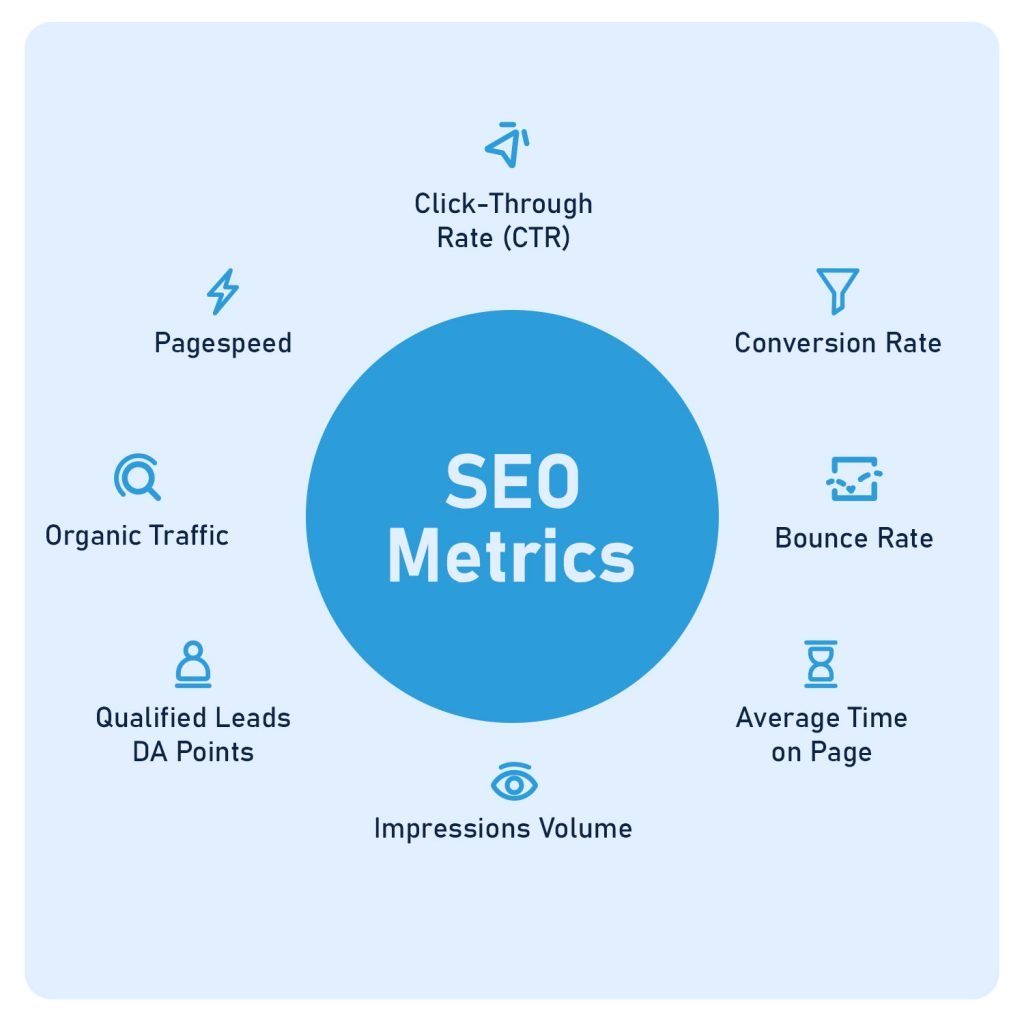
Monitor and optimize by tracking rankings and performance with Google Analytics, Search Console, and Google Trends for seasonality; adjust for trends, refresh old content, and build content clusters around high-performers. Conduct monthly reviews: if search volume drops, pivot to rising long-tail keywords; aim for ongoing competitor keyword analysis.
Use keyword research tools to identify new opportunities and track progress. For instance, if “AI keyword research” trends upward, create content to capture that traffic.
Frequently Asked Questions
What is the best free keyword research tool?
Google Keyword Planner is a robust free option, but also consider Ubersuggest or AnswerThePublic for additional ideas. Always cross-reference with multiple sources for accuracy.
How often should I conduct keyword research?
Perform initial research for each content piece, and review your keyword strategy quarterly to adapt to trends and algorithm updates.
Why are long-tail keywords important?
They have lower competition, higher conversion rates, and better match user search intent, making them ideal for beginners and niche targeting.
Can I rank without using keyword research tools?
While possible with manual methods like SERP analysis, tools provide data-driven insights for efficiency and competitiveness, especially for SEO keyword research.
How do I analyze search intent effectively?
Examine the top 10 SERP results for your target keyword—note content types, formats, and user satisfaction signals to tailor your approach.