


The Ultimate Guide to SEO Keyword Research: Drive Traffic and Revenue
Estimated reading time: 10 minutes
Key Takeaways
- SEO keyword research is the foundation for boosting rankings and can drive massive revenue growth—think 254% YoY—by targeting terms your audience actually searches for.
- It’s a systematic process of finding terms that balance high search volume with low competition, ensuring content matches user needs.
- Using tools like Ahrefs and SEMrush validates opportunities and uncovers long-tail keywords for higher conversions.
- Analyzing search intent is crucial: align content with informational, commercial, transactional, or navigational queries.
- Prioritize keywords with volume x (1 – Keyword Difficulty/100) and map them to topic clusters and the buyer journey for a cohesive strategy.
- Implement keywords naturally in titles, meta descriptions, headings, and body text, avoiding stuffing and focusing on comprehensive, human-first content.
- Monitor performance with Google Analytics and adapt to trends like voice search and AI tools for ongoing success.
Table of contents
- The Ultimate Guide to SEO Keyword Research: Drive Traffic and Revenue
- Key Takeaways
- What Is SEO Keyword Research and Why It Matters
- Step 1: Brainstorm Topics and Seed Keywords
- Step 2: Leverage Keyword Research Tools
- Step 3: Analyze Search Intent and Metrics
- Step 4: Prioritize and Map Keywords
- Step 5: Implement Keywords in Content
- Advanced Tips for Ongoing Success
- Frequently Asked Questions
What Is SEO Keyword Research and Why It Matters
Mastering SEO keyword research is the cornerstone of any successful SEO strategy, capable of driving staggering results like 254% year-over-year blog revenue growth by precisely targeting the terms your audience searches for. This step-by-step guide will demystify the process, covering essential keyword research tools and search intent analysis to satisfy your informational intent and boost your rankings.
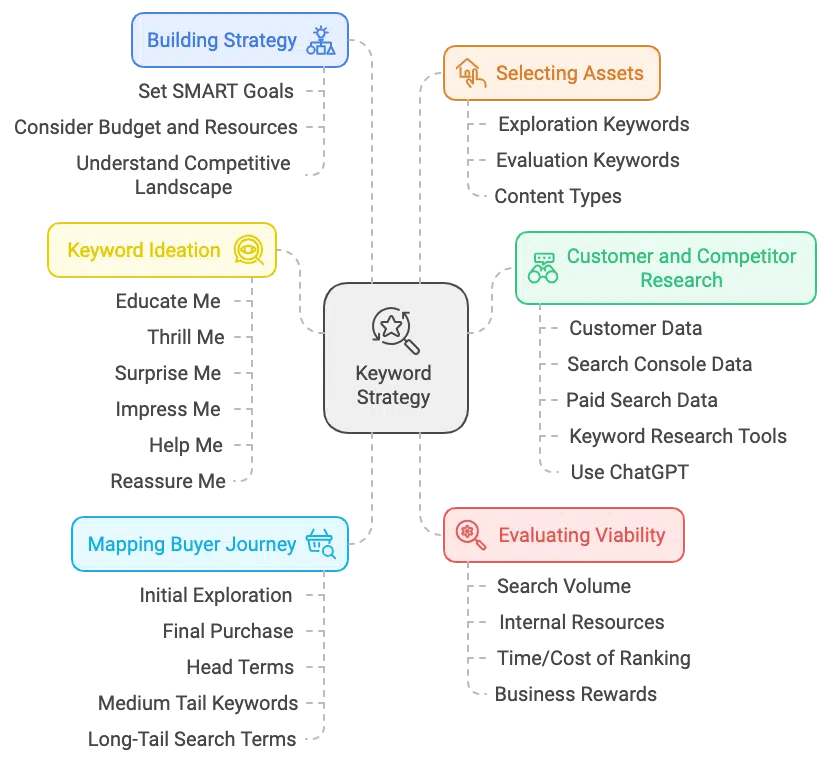
So, what exactly is SEO keyword research? It’s the systematic process of identifying, analyzing, and selecting search terms that users type into engines like Google, balancing high search volume with low competition to improve organic traffic and rankings. As highlighted by Mangools and Ahrefs, it’s all about creating content that directly matches user needs, ensuring your site answers the questions people are asking.
Why does it matter so much? Simply put, it ensures your content covers the actual terms your audience uses, including high-intent long-tail keywords that often lead to conversions. Without it, you’re shooting in the dark. Tools like Ahrefs and SEMrush help validate search volume and competition, revealing realistic opportunities compared to competitors. This guide provides beginner-to-expert tips, so you can confidently navigate the SEO keyword research process and optimize your strategy from the ground up.

Step 1: Brainstorm Topics and Seed Keywords
Begin your SEO keyword research journey by brainstorming topics and seed keywords. List everything relevant to your business: products, services, audience pain points, or industry themes. Seed keywords are broad, initial terms like “SEO tips” that form the foundation for expansion. Ask yourself: “What does my audience need?” to ensure relevance, as recommended by Carnegie Higher Ed and SEOBotAI.

- Examples: For a fitness blog, seed keywords might include “weight loss workouts” or “home fitness routines.”
- Focus on relevance over volume at this stage—building a strong foundation is key for effective brainstorm keywords.
This step aligns your SEO keyword research process with audience needs, setting the stage for deeper exploration. Don’t worry about search volume yet; just capture ideas that resonate with your niche.
Step 2: Leverage Keyword Research Tools
Next, amplify your SEO keyword research with powerful tools. Input your seed keywords to generate suggestions with critical metrics like monthly search volume, keyword difficulty (KD), and cost-per-click (CPC). Here are the best keyword research tools to consider:
- Google Keyword Planner: Free and ideal for beginners, it shows search volume forecasts and trends.
- Ahrefs keyword research: A paid tool that excels in backlink analysis and ranking insights, perfect for competitive analysis.
- SEMrush for keywords: Another paid option, great for competitive intelligence and trend spotting.
- Ubersuggest: A freemium tool that quickly generates long-tail keywords ideas for content gaps.
- Mangools: User-friendly and beginner-friendly, offering straightforward metrics for keyword research tools newcomers.

Aim for keywords with a monthly search volume of 1,000–10,000 (ideal for starters) and a KD under 30 for winnability. In Ahrefs, use the Keywords Explorer to filter for long-tail keywords (3+ words), which have lower competition and higher conversion rates. Don’t ignore low-volume long-tails—they often convert better, as SEOBotAI emphasizes.

Step 3: Analyze Search Intent and Metrics
Now, dive into analyze search intent and keyword metrics. Search intent is the underlying reason behind a query—categorize it into four types:
- Informational: Users want to learn (e.g., “SEO keyword research guide”).
- Commercial: Users are comparing options (e.g., “best SEO tools 2026”).
- Transactional: Users are ready to buy (e.g., “buy Ahrefs subscription”).
- Navigational: Users seek a specific site (e.g., “HubSpot blog login”).
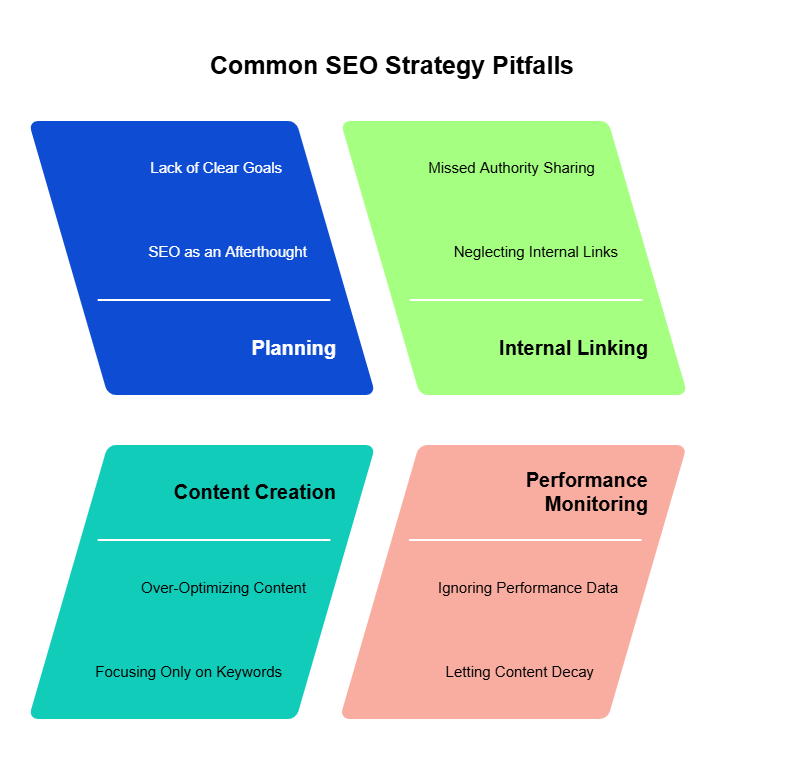
Prioritize keywords with high volume (1K+ searches/month), low competition (KD <30), and “striking distance” opportunities—pages ranking 11-20 that you can outrank. Use tools to review top-ranking pages for intent signals; for example, listicles often indicate informational intent. This search intent analysis ensures your content matches what users truly seek, boosting rankings. As HubSpot notes, balancing search volume vs competition is key to finding golden opportunities.
Step 4: Prioritize and Map Keywords
With a list of keywords, it’s time to prioritize keywords and keyword mapping. Score each keyword using this formula: Volume x (1 – KD/100) to gauge opportunity value. Focus on one primary keyword per page, and organize them into topic clusters—groups of related keywords around a pillar topic. For instance, a pillar page on “SEO keyword research” could link to cluster content like “long-tail keyword strategies.”
Map keywords to the buyer journey: awareness (informational), consideration (commercial), and decision (transactional). Also, align them with content pillars, such as “SEO basics.” Here’s a simple table to visualize prioritize keywords:
| Keyword | Volume | KD | Intent | Priority Score |
|---|---|---|---|---|
| SEO keyword research tools | 5,000 | 25 | Informational | 3,750 |
| best Ahrefs alternative | 2,000 | 40 | Commercial | 1,200 |

This keyword mapping approach, endorsed by Mangools and HubSpot, creates a cohesive content strategy that drives buyer journey keywords effectively.
Step 5: Implement Keywords in Content
Finally, execute keyword placement with precision. Your primary keyword, like “SEO keyword research,” should appear in:
- Title tag: Front-loaded, under 60 characters.
- Meta description: Within the first 160 characters, keyword-rich and action-oriented.
- H1 headline: Naturally included at the top.
- First 100 words: Early mention to signal relevance.
- H2/H3 subheads: Use 2-3 times throughout.
- Conclusion: Reinforce the keyword at the end.
- Image alt text: Include for accessibility and SEO.
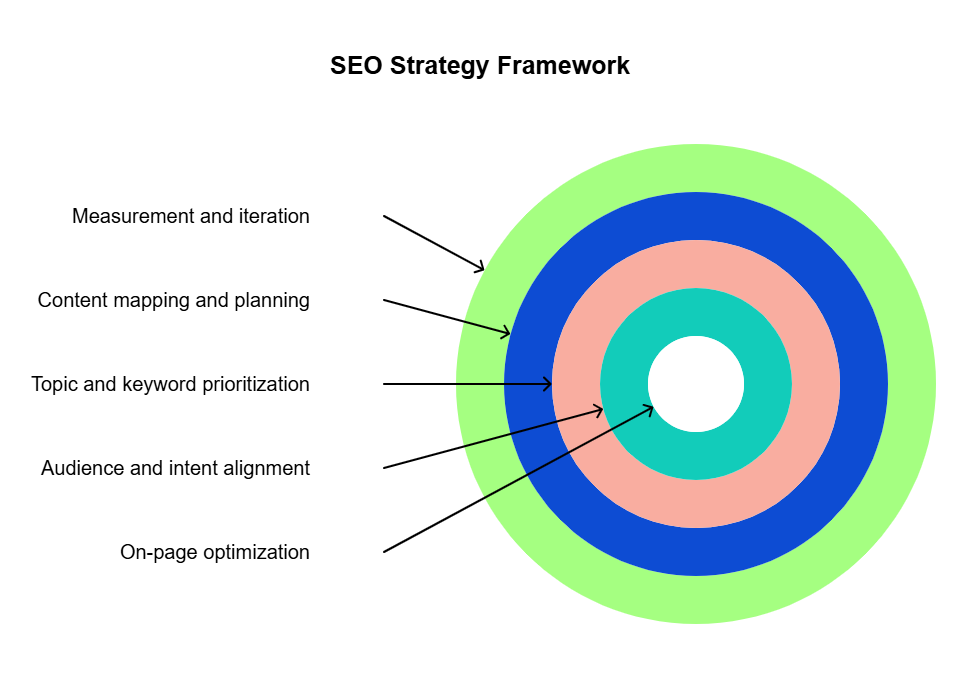
Incorporate secondary keywords like “keyword research tools” naturally 1-4 times, and avoid stuffing—keep density around 1-2%. Focus on comprehensive coverage with LSI terms (related synonyms) for on-page SEO keywords. As ZAG Interactive and PenBrief advise, avoid keyword stuffing by writing for humans first: create original, value-packed content that matches intent, with internal links (using descriptive anchor text) and external links to authorities like Beehiiv’s SEO checklist.
Advanced Tips for Ongoing Success
To sustain growth, monitor keyword performance regularly. Use Google Analytics to track metrics like page views, bounce rate (aim for <50%), time on page (>2 minutes), and traffic channels. Tools like Ahrefs can alert you to ranking and traffic changes. Embrace AI for keyword research—prompt ChatGPT with “Generate 20 long-tail keywords for [topic]” to uncover fresh ideas.

Adapt to keyword research trends such as voice search (target conversational long-tails like “how do I start SEO keyword research”), zero-click searches, and entity-based optimization. Conduct quarterly audits to refine your strategy. Experiment with low-volume long-tails for higher conversions, and stay updated via SEO communities. As SEOBotAI suggests, this proactive approach ensures your SEO keyword research remains effective amid evolving algorithms.
Recap the five steps—brainstorming, tool usage, intent analysis, prioritization, and implementation—as a repeatable process for sustained traffic growth. Now, start keyword research now: use the outlined tools, download a free keyword tracking template (link placeholder), track results in Google Analytics, and share your wins in comments or subscribe for more guides from PenBrief and others.
Frequently Asked Questions
What is the best free tool for SEO keyword research?
Google Keyword Planner is often the top choice for free keyword research tools, offering search volume and forecast data. It’s ideal for beginners, though tools like Ubersuggest also have freemium options. For more insights, refer to HubSpot’s guide.
How often should I update my keyword research?
Conduct keyword research quarterly or whenever you notice traffic drops. Trends shift, so regular audits help adapt to keyword research trends. Tools like Ahrefs can automate monitoring.
What’s more important: search volume or keyword difficulty?
Balance both! Prioritize keywords with decent volume (e.g., 1K+ monthly searches) and low difficulty (KD <30) for winnability. Use the formula Volume x (1 - KD/100) to score opportunities, as detailed in Mangools’ blog.
How do I find long-tail keywords?
Use tools like Ahrefs or Ubersuggest to filter for phrases with 3+ words. Also, analyze “People also ask” sections on Google or use AI for keyword research prompts. SEOBotAI highlights their conversion potential.
Can I use the same keyword on multiple pages?
Avoid this to prevent cannibalization. Instead, use topic clusters with one primary keyword per page and related secondary terms. Map them carefully, as suggested in HubSpot’s step-by-step process.
How does search intent affect content creation?
Search intent dictates content format—e.g., informational intent needs guides, while transactional intent requires product pages. Always analyze search intent by reviewing top SERP results. PenBrief’s guide offers deeper insights.