


UK iPhone Sideloading: What the DMCC Act Means for Apple App Store Changes by 2027
Estimated reading time: 8 minutes
Key Takeaways
- The uk digital markets act apple sideloading 2027 is a key forecast for UK iPhone users, driven by the DMCC Act.
- Apple faces potential apple third party app stores forced opening under a new Strategic Market Status designation by the CMA.
- The DMCC Act empowers the CMA to regulate gatekeepers like Apple, targeting the apple app store monopoly regulation uk.
- 2027 is anticipated as the year when iphone sideloading uk law 2027 could take effect, enabling alternative app stores.
- The uk dma impact on ios ecosystem will reshape developer revenue, user choice, and security norms.
Table of contents
- UK iPhone Sideloading: What the DMCC Act Means for Apple App Store Changes by 2027
- Key Takeaways
- Introduction: The End of the Walled Garden?
- Section 1: What Is the UK’s Digital Markets Regime (DMCC Act)?
- Section 2: Why Is 2027 the Key Year for Sideloading?
- Section 3: Could the UK Force Apple to Allow Third-Party App Stores?
- Section 4: What iPhone Sideloading Will Look Like for UK Users
- Section 5: The UK DMA Impact on the iOS Ecosystem
- Section 6: Security and Privacy Concerns – Apple vs. Regulators
- Frequently Asked Questions
Will 2027 be the year Apple is forced to allow iPhone sideloading in the UK? The uk digital markets act apple sideloading 2027 is a central topic in ongoing regulatory debates. For years, Apple has tightly controlled app distribution on iOS, but new UK competition law may change this. The core conflict revolves around apple third party app stores forced opening and whether regulators can break down Apple’s walled garden.
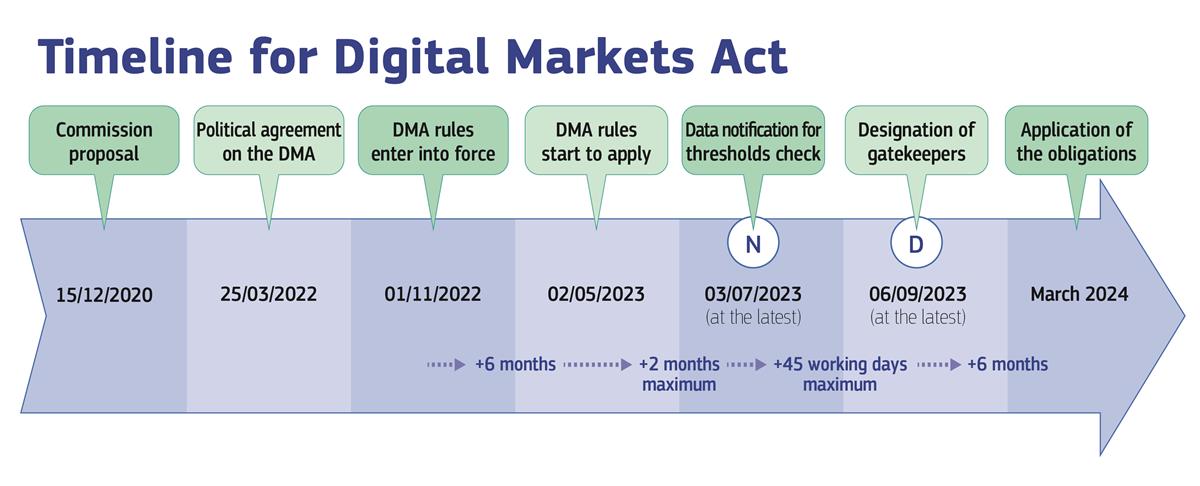
It is important to clarify that the UK does not have a “Digital Markets Act” like the EU. Instead, it has the Digital Markets, Competition and Consumers Act 2024 (DMCC Act), enforced by the Competition and Markets Authority (CMA). This is the UK’s new digital markets regime aimed at regulating gatekeeper platforms. This post explores what the DMCC Act is, why 2027 is a target, and what changes are expected for iPhone users and developers.
Section 1: What Is the UK’s Digital Markets Regime (DMCC Act)?
The DMCC Act gives the CMA power to designate companies with “Strategic Market Status” (SMS) if they have substantial and entrenched market power in a digital activity, with a position of strategic significance. This mirrors some of the trends seen in how competition law is reshaping the broader tech landscape, much like the regulatory battles playing out in other sectors, such as the UK regulator forcing Google search changes.
Apple is currently under CMA investigation for its App Store and mobile browser practices. If designated as SMS, Apple will face tailored conduct requirements, including allowing sideloading, third-party app stores, or alternative payment systems. The apple app store monopoly regulation uk context is critical here: regulators argue Apple has significant market power in app distribution, though the DMCC Act uses the term “Strategic Market Status” rather than “monopoly.”
Section 2: Why Is 2027 the Key Year for Sideloading?
The uk digital markets act apple sideloading 2027 forecast is based on the DMCC Act timeline. The Act received Royal Assent in May 2024. The CMA must now finalise its SMS designation criteria and consultation processes. Enforcement typically takes 2-3 years after the law passes. Analysts and legal experts forecast that if Apple is designated as SMS, final conduct requirements, including potential sideloading rules, could be in place by 2027.
This timeline is reinforced by the DMCC Act fact sheet from the UK government. However, it is a “could be” scenario, not a settled date. Phrases like “anticipate,” “forecast,” and “could arrive by 2027” are appropriate. The iphone sideloading uk law 2027 is a plausible outcome, contingent on the CMA’s next steps.
Section 3: Could the UK Force Apple to Allow Third-Party App Stores?
The concept of apple third party app stores forced opening is central to the UK debate. Sideloading refers to installing apps from outside the official App Store, typically via third-party app marketplaces or direct downloads. This concept is already familiar to some iOS users who use services to bypass restrictions, similar to how a service like Signulous allows for app sideloading without jailbreaking, though a UK law would make it an official, system-level feature.
Under the EU DMA, Apple was forced to allow alternative app stores in the EU. The UK’s DMCC Act could impose similar obligations, but the details may differ. For example, UK regulators may require more interoperability or different security models. Apple claims sideloading compromises security, privacy, and user safety, often using the “walled garden” defense. Regulators counter that users should have choice and that Apple can implement safety measures such as notarization, malware scans, and permission prompts without banning sideloading entirely.
Section 4: What iPhone Sideloading Will Look Like for UK Users
The iphone sideloading uk law 2027 will transform the user experience in several key ways:
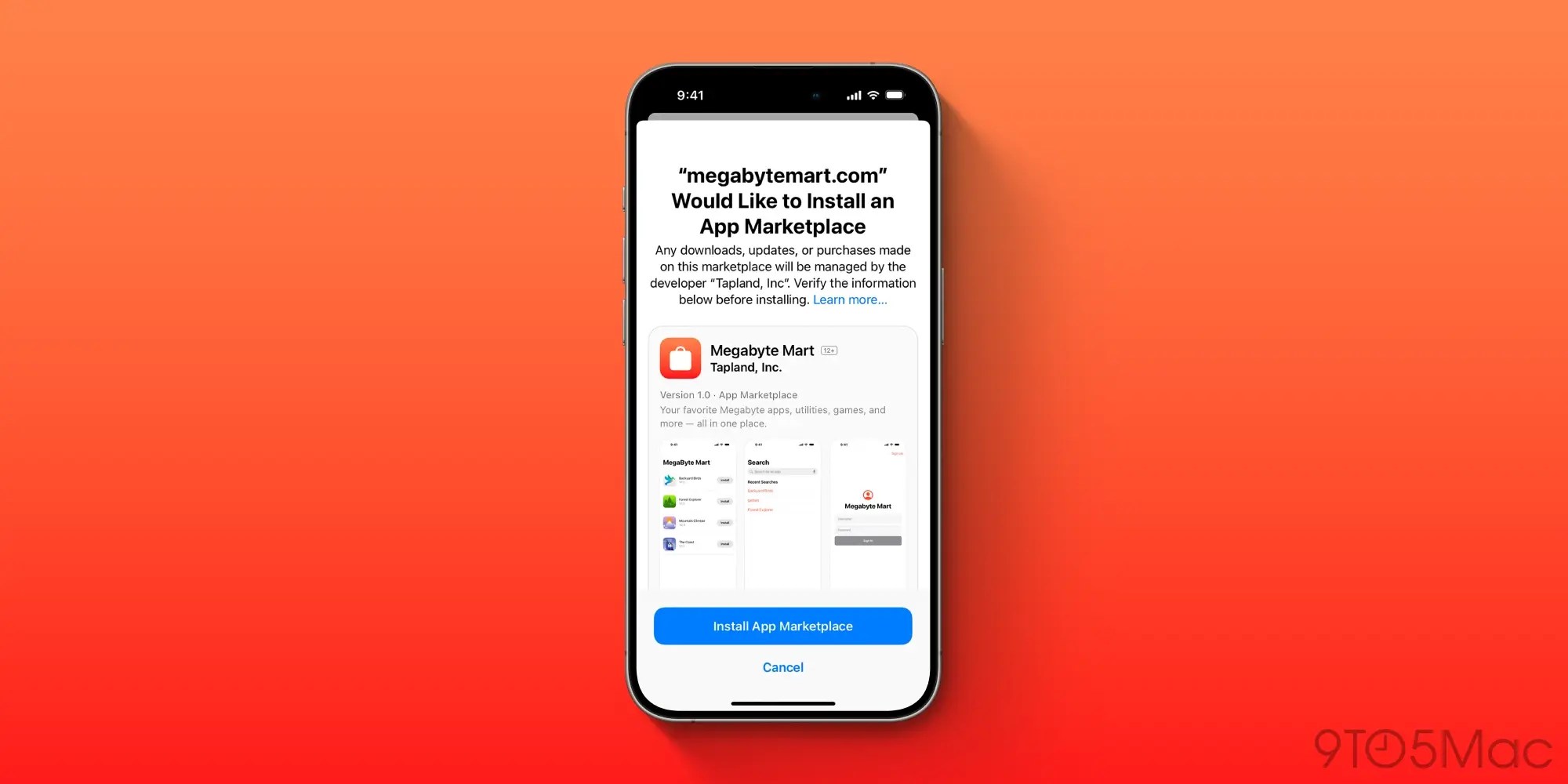
- Alternative App Marketplaces: iOS will allow third-party app stores like AltStore, Epic Games Store, or new ones. Users will be able to download and install apps from these stores, similar to Android. This represents a massive shift from the traditional model, much like how the Nintendo Switch 2 is changing the console market by offering new ways to access and play games.
- Installation Flow: Apple may require a new settings toggle to enable sideloading, with security prompts warning users about installation from unknown sources.
- Payment Processing: Third-party app stores may use their own payment systems, bypassing Apple’s 15-30% commission.
- Notarization: Apple could require apps in third-party stores to pass a basic security check, as it does on macOS.
The UK’s approach may differ from the EU’s. The EU DMA requires specific interoperability measures, while the UK DMCC Act allows the CMA to design bespoke remedies. UK regulations may be stricter or more flexible depending on the CMA’s findings.
Section 5: The UK DMA Impact on the iOS Ecosystem
The uk dma impact on ios ecosystem will be profound across developers, users, and Apple itself.
Impact on Developers: Lower commissions and more payment options will become available, bypassing Apple’s in-app purchase system. New revenue models, such as app subscriptions sold outside the App Store, will emerge. Increased competition means smaller developers can launch app marketplaces, challenging Apple’s dominance. However, developers may face administrative burdens complying with both UK and EU regulations separately.
Impact on Users: More choice will be available, including access to apps not allowed on the App Store, such as game emulators, custom app stores, and apps with alternative payment systems. Potential risks include increased malware or scam apps if security checks are relaxed. Apple may warn users about sideloading risks. This highlights the ongoing tension between user freedom and safety, a central theme of the How to Secure Your Smartphone in 2025 guide, which covers how to protect your data from emerging threats.
Impact on Apple: The company faces loss of revenue from App Store commission, estimated billions annually. Increased security costs will arise from maintaining notarization and malware detection for sideloaded apps. Fragmentation of the iOS ecosystem may occur as developers offer apps only in their own stores, complicating updates and support. A report on the economic impact of the DMA highlights these potential billion-dollar losses.

Section 6: Security and Privacy Concerns – Apple vs. Regulators
The apple app store monopoly regulation uk context is essential for understanding why security is debated. Apple’s security argument is that the App Store is a “walled garden” protecting users from malware, phishing, and data theft. They claim sideloading could let malicious apps in. Regulators counter that users on Android already sideload safely with permission prompts, and Apple can implement notarization and app review for third-party stores.
Under the EU DMA, Apple was required to allow sideloading but can impose notarization and security checks. Similar requirements are expected in the UK. Studies on iOS security with sideloading, such as Google’s Android vs iOS security analysis or academic papers like “Security of Mobile Operating Systems” from the University of Cambridge, suggest that proper controls can mitigate risks. For those particularly concerned about security, staying updated with best practices, like those in the personal data protection guide, will be crucial in this new landscape.
Frequently Asked Questions
-
What is the uk digital markets act apple sideloading 2027?
This refers to the forecast that by 2027, the UK’s DMCC Act may force Apple to allow iPhone sideloading, including third-party app stores, as part of regulatory actions by the CMA.
-
Is the DMCC Act the same as the EU’s Digital Markets Act?
No. The DMCC Act is the UK’s own digital markets regime, enforced by the CMA, while the EU has the DMA. Both target gatekeeper platforms but have different legal frameworks and timelines.
-
Will iphone sideloading uk law 2027 affect all iPhone users?
If implemented, the law would apply to UK iPhone users. It may not affect users in other regions unless similar regulations are adopted elsewhere.
-
What changes can developers expect from the uk dma impact on ios ecosystem?
Developers may benefit from lower commissions, alternative payment systems, and the ability to create their own app marketplaces, but they may face dual compliance with UK and EU rules.
-
How does the apple app store monopoly regulation uk compare to EU actions?
The UK’s DMCC Act uses “Strategic Market Status” instead of “monopoly” and allows the CMA to design bespoke remedies, potentially differing from the EU DMA’s specific interoperability requirements.
-
What security measures will accompany apple third party app stores forced opening?
Apple may impose notarization, permission prompts, and a settings toggle to enable sideloading. Similar to the EU, safety checks can be required to mitigate risks.