
Understanding Search Intent for AI and Machine Learning Content
Estimated reading time: 8 minutes
Key Takeaways
- Search intent is the primary goal a user has when typing a query into a search engine, critical for creating relevant AI content.
- Classifying intent into informational, navigational, commercial, and transactional helps tailor content to user needs.
- Ignoring search intent leads to high bounce rates and poor SEO performance for machine learning articles.
- Tools like Google Analytics and keyword research platforms help identify user goals behind AI-related searches.
- Mapping content types to intent categories ensures your AI blog posts rank higher and engage better.
Table of contents
- Understanding Search Intent for AI and Machine Learning Content
- Key Takeaways
- What Is Search Intent and Why It Matters for AI Content
- The Four Types of Search Intent Explained
- How to Identify Search Intent for AI and Machine Learning Queries
- Mapping Content to Search Intent: Effective Strategies
- Common Mistakes When Ignoring Search Intent in AI Content
- Tools and Techniques to Analyze Search Intent
- Frequently Asked Questions
Creating content about artificial intelligence and machine learning requires more than just technical accuracy — it demands a deep understanding of what your audience actually wants. Search intent is the cornerstone of effective SEO for AI topics, yet many content creators overlook it. When users search for “machine learning basics,” they have a specific goal in mind, and your content must deliver exactly that. This guide explores how to classify, identify, and match search intent for AI and machine learning queries to improve rankings and engagement.

What Is Search Intent and Why It Matters for AI Content
Search intent, also known as user intent, refers to the underlying reason behind a search query. For AI and machine learning content, understanding this intent is crucial because the field is vast — users may be beginners looking for tutorials, researchers seeking academic papers, or businesses exploring commercial solutions. According to Moz, ignoring search intent is one of the top reasons for SEO failure. When your content aligns with what users actually want, you reduce bounce rates, increase time on page, and improve conversion potential. For AI topics specifically, this means distinguishing between someone who wants a simple explanation of neural networks versus someone looking to implement one in Python. The difference dictates everything from your headline to your technical depth.
Search engines like Google have become sophisticated at detecting intent signals, using factors such as query phrasing, user location, and historical behavior. For example, a query like “AI tools for business” likely has commercial intent, while “what is deep learning” is informational. Failing to match this intent means your content won’t satisfy the user’s needs, harming both UX and SEO. In the competitive AI space, where new developments emerge daily, nailing intent is your shortcut to relevance.
The Four Types of Search Intent Explained
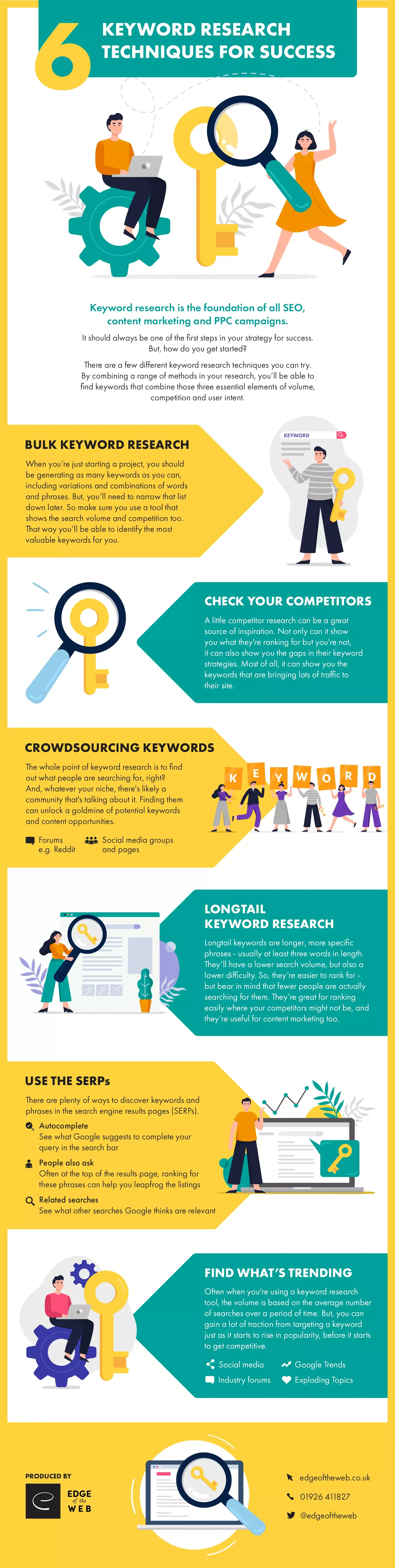
To create effective blog posts on AI and machine learning, you must understand the four main categories of search intent: informational, navigational, commercial, and transactional. Each type serves a different user need and requires a distinct content approach.
Informational Intent
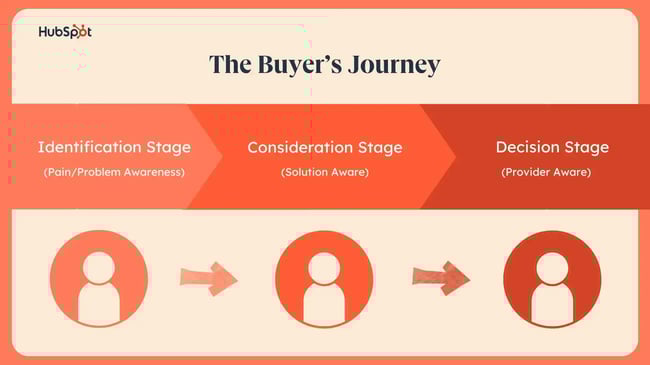
Users with informational intent want to learn something or answer a question. For AI content, this includes queries like “what is reinforcement learning,” “how do transformers work,” or “history of artificial intelligence.” These users are in the awareness stage and expect clear, educational content. Your response should provide thorough explanations, examples, and sometimes visuals. Keywords often start with “what,” “how,” “why,” or “guide.” According to Ahrefs, informational queries make up over 80% of all searches, so this is the largest opportunity for AI bloggers. Structure your content with subheadings, definitions, and easy-to-follow logic to satisfy this intent.
Navigational Intent
Navigational intent occurs when a user wants to find a specific website or page. For AI topics, this might include searches like “OpenAI GPT-4 login,” “TensorFlow documentation,” or “Google AI blog.” These users already know the destination — your job is to ensure they reach it quickly. If you’re targeting navigational queries, create concise pages that serve as gateways to the desired resource. Avoid long-form content here; instead, provide direct links and clear directions. Optimizing for brand names and specific tools is key. For example, if you write about “Keras documentation,” your page should immediately point users to the official site with minimal distraction.
Commercial Intent
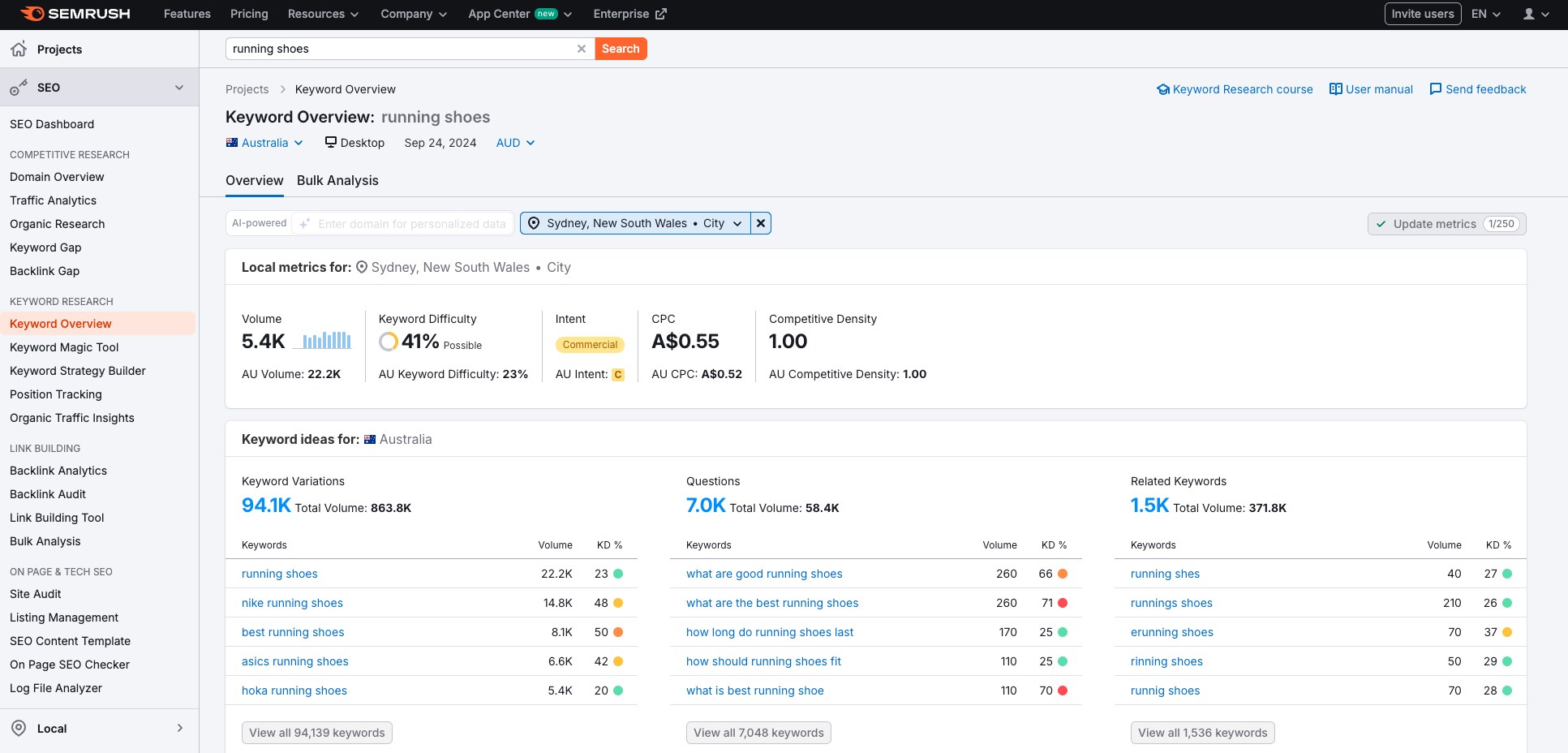
Commercial intent users are researching products or services before making a purchase decision. In the AI space, this includes queries like “best AI writing tools compared,” “top machine learning platforms for startups,” or “AI chatbot pricing reviews.” These users want to compare options, read reviews, and understand features. Your content should include detailed comparisons, pros and cons lists, and trustworthy recommendations. According to Search Engine Journal, commercial intent content often involves buying guides and product roundups. Use tables, case studies, and user testimonials to build credibility. The goal is to inform the decision-making process without being overly salesy.
Transactional Intent
Transactional intent signals a user ready to take action — purchase a product, sign up for a service, or download a resource. Examples relevant to AI include “buy GPT-4 API credits,” “subscribe to Hugging Face Pro,” or “download dataset for machine learning.” These users are at the bottom of the funnel and expect frictionless paths to conversion. Your content should feature clear call-to-actions, pricing details, and trust signals like security badges. Avoid technical jargon that might distract from the action. For affiliate or partner content, ensure your links are prominent and your value proposition is immediate. According to WordStream, transactional queries have the highest conversion rates but are rarer, so optimize these pages carefully.
How to Identify Search Intent for AI and Machine Learning Queries
Identifying search intent requires a systematic approach. Start by analyzing the query itself: informational queries often use question words, while transactional ones include verbs like “buy,” “subscribe,” or “download.” Commercial queries frequently contain “best,” “top,” or “review.” Navigational queries include brand or product names. However, this is just the first step. You also need to examine the search engine results page (SERP) for clues.
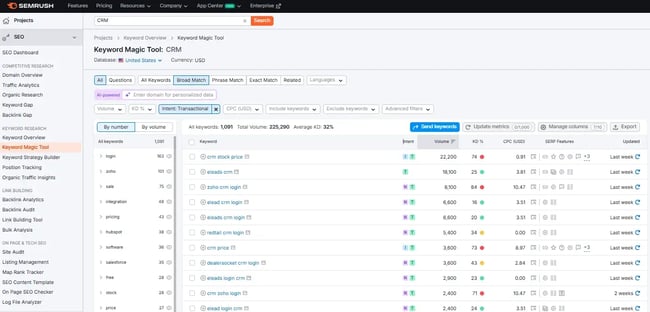
Look at the featured snippets, related questions, and top-ranking pages. If the SERP shows knowledge panels or definition boxes, intent is likely informational. If product carousels appear, commercial or transactional intent dominates. Use tools like Google’s Keyword Planner to see which types of ads target specific keywords — ad presence often indicates commercial or transactional intent. Additionally, study your competitors’ content: what format are they using? A listicle or comparison table suggests commercial intent, while a step-by-step tutorial points to informational. For AI topics specifically, check the level of technical detail in top results to gauge audience sophistication.
User behavior metrics also provide valuable signals. High bounce rates on your content may indicate an intent mismatch. For example, if you write a detailed technical guide but users leave quickly, they may have been looking for a simpler overview. Use Google Analytics to analyze dwell time and click-through rates. According to Backlinko, pages that satisfy search intent see 30% more organic traffic on average. Regularly auditing your content for intent alignment helps maintain performance as user expectations evolve.
Mapping Content to Search Intent: Effective Strategies
Once you’ve identified the intent behind your target keywords, the next step is to create content that directly addresses it. For informational intent on AI topics, focus on creating comprehensive guides, tutorials, and explainer articles. Use clear language with appropriate depth — beginners need simple analogies, while advanced users expect technical rigor. Include visual aids like diagrams of neural networks or code snippets for practical understanding. According to Semrush, informational content typically performs best with long-form articles exceeding 1500 words.
For commercial intent, structure your content around comparisons and evaluations. Create “vs.” articles comparing AI tools like TensorFlow versus PyTorch, or listicles covering “top 10 AI content generators.” Include key decision factors such as pricing, features, and user reviews. Use tables to make comparisons scannable. For transactional intent, optimize landing pages, pricing pages, and checkout flows. Keep text concise, highlight benefits, and include strong calls-to-action. For navigational intent, create simple directory pages that link to official resources without fluff.

A common mistake is mixing intents within a single piece. If a user is looking for a “machine learning course review” (commercial intent), they don’t want a 3000-word history of machine learning (informational). Stay focused on the primary intent and resist the urge to educate unless it directly supports the user’s goal. Also, update your content regularly — as AI technology evolves, search intent can shift. A topic that was informational a year ago may now have commercial intent as users look for purchasing decisions.
Common Mistakes When Ignoring Search Intent in AI Content
Ignoring search intent leads to several pitfalls that can harm your content’s performance. One major mistake is creating overly technical content for beginners. If a user searches “AI basics,” they want a simple introduction, not a deep dive into backpropagation algorithms. Conversely, writing superficial content for experienced AI researchers frustrates them and drives them away. Another error is focusing on the wrong format: for commercial intent, a blog post may work, but a video comparison might be more effective. According to Content Marketing Institute, 60% of marketers say matching intent improves engagement rates.
Keyword stuffing without considering intent is also problematic. Using “best AI tools” repeatedly in an informational article about “what is AI” confuses both users and search engines. This leads to poor rankings and low credibility. Additionally, ignoring trending subtopics within a query can miss user expectations. For example, when search “AI for small business,” users may expect information on cost, implementation, and ROI — not just a list of tools. Failing to address these nuances creates incomplete content.
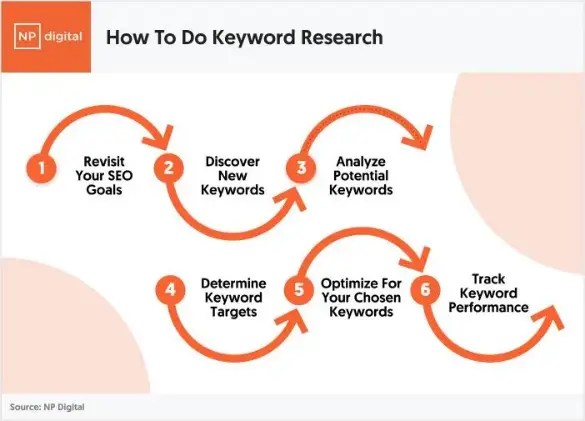
Finally, neglecting to update content for changing intent is a silent killer. As AI products mature, informational queries about “how to use ChatGPT” can evolve into commercial queries like “best ChatGPT subscription plan.” Regularly review your keyword intent using tools like Google Trends or Ahrefs. According to Neil Patel, updating content for current intent can boost traffic by up to 40%. Avoid these mistakes to ensure your AI content remains relevant and effective.
Tools and Techniques to Analyze Search Intent
Several tools and techniques can help you analyze and classify search intent for your AI and machine learning content. Google Search Console provides data on which queries bring users to your site, allowing you to see if the intent matches your pages. Use the “Queries” report to identify high-click-through but high-bounce-rate queries — these are red flags for intent mismatch. Google Analytics further helps by tracking user behavior after landing on your page.
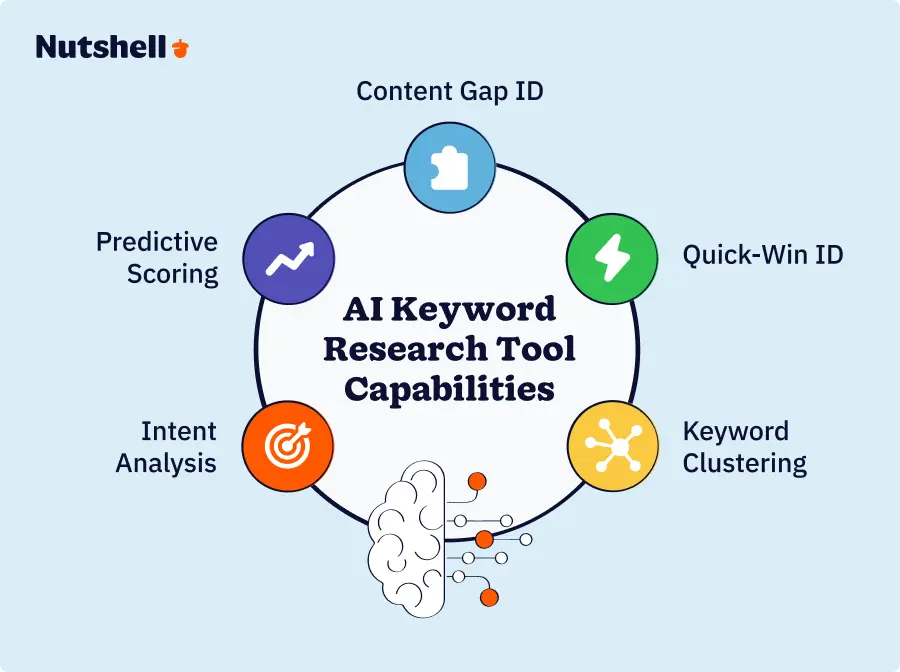
Keyword research tools like Ahrefs, Semrush, and Moz allow you to see which type of content ranks for specific keywords. Look at the “SERP features” section: if featured snippets appear, the intent is likely informational; if shopping ads show, it’s commercial or transactional. The “Related questions” box also gives insight into user needs. For AI topics, specialized tools like AnswerThePublic reveal common informational queries, while SpyFu exposes competitor ad strategies for commercial intent.

A practical technique is the “three-click method”: manually search your target keyword and examine the top 10 results. Note their formats, length, depth, and tone. Are they list articles, tutorials, or product pages? This quickly reveals prevailing intent. Another method is analyzing search volume trends: rising volumes suggest increasing interest, which may shift intent from informational to commercial over time. Use Google Trends to monitor this for AI terms like “machine learning for business.” According to Search Engine Land, combining multiple tools gives the most accurate intent classification. Regularly revisiting your analysis keeps your strategy aligned with user behavior.
Frequently Asked Questions
- What is search intent in SEO for AI content?
- How do I identify search intent for machine learning queries?
- Why is matching search intent important for AI blog posts?
- What tools help analyze search intent for AI topics?
- Can search intent change over time for AI keywords?
- How does commercial intent differ from transactional intent in AI?
- What happens if I ignore search intent in my AI content?
What is search intent in SEO for AI content?
Search intent refers to the underlying goal behind a user’s query when searching for AI-related topics online. It categorizes searches into informational, navigational, commercial, or transactional types, helping content creators deliver relevant material.
How do I identify search intent for machine learning queries?
Analyze the query language, examine SERP features like featured snippets or shopping ads, use keyword research tools, and study top-ranking content to understand the intent. For machine learning queries, look for technical depth and user purpose.
Why is matching search intent important for AI blog posts?
Matching search intent ensures your content satisfies user expectations, which reduces bounce rates, improves engagement, and boosts SEO rankings. For AI topics, it helps target the right audience with appropriate technical depth.
What tools help analyze search intent for AI topics?
Tools like Google Search Console, Ahrefs, Semrush, Moz, and AnswerThePublic provide data on query intent. Using multiple tools together offers more accurate classification for AI and machine learning keywords.
Can search intent change over time for AI keywords?
Yes, as AI technology matures, user needs may shift from informational to commercial or transactional. For example, queries about a new AI tool may become purchase-oriented over time. Regular monitoring is essential.
How does commercial intent differ from transactional intent in AI?
Commercial intent involves researching options before a purchase, like comparing AI tools, while transactional intent indicates readiness to buy or subscribe. Both require different content approaches, with commercial needing comparisons and transactional needing clear calls-to-action.
What happens if I ignore search intent in my AI content?
Ignoring search intent leads to high bounce rates, low engagement, poor rankings, and missed conversion opportunities. Users will leave if content doesn’t match their needs, especially in the competitive AI space where specific expectations are common.